Why Some Pest Control Methods Are Dangerous for Pets — And What to Use Instead

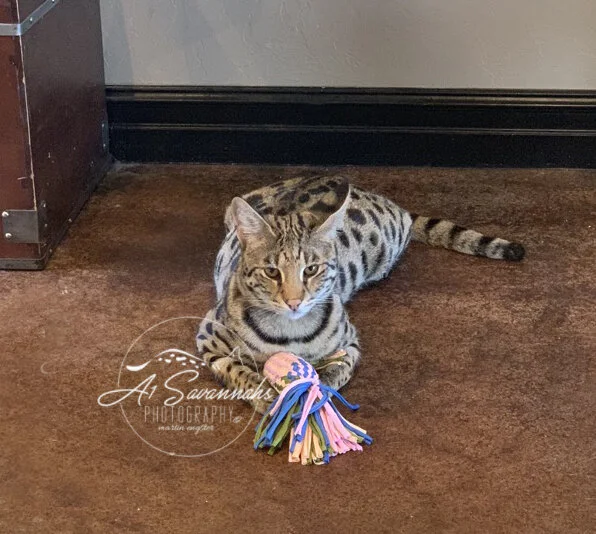
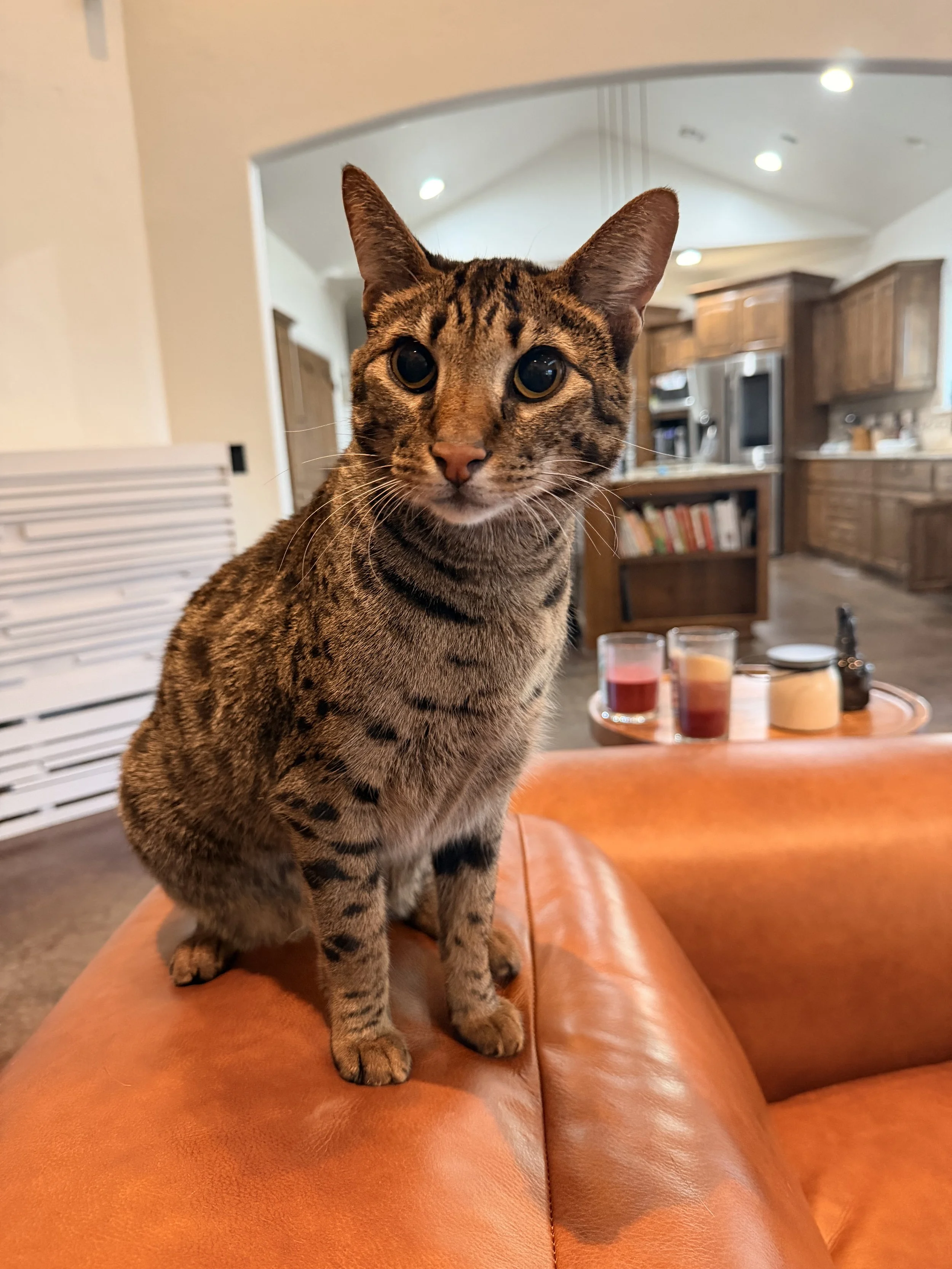
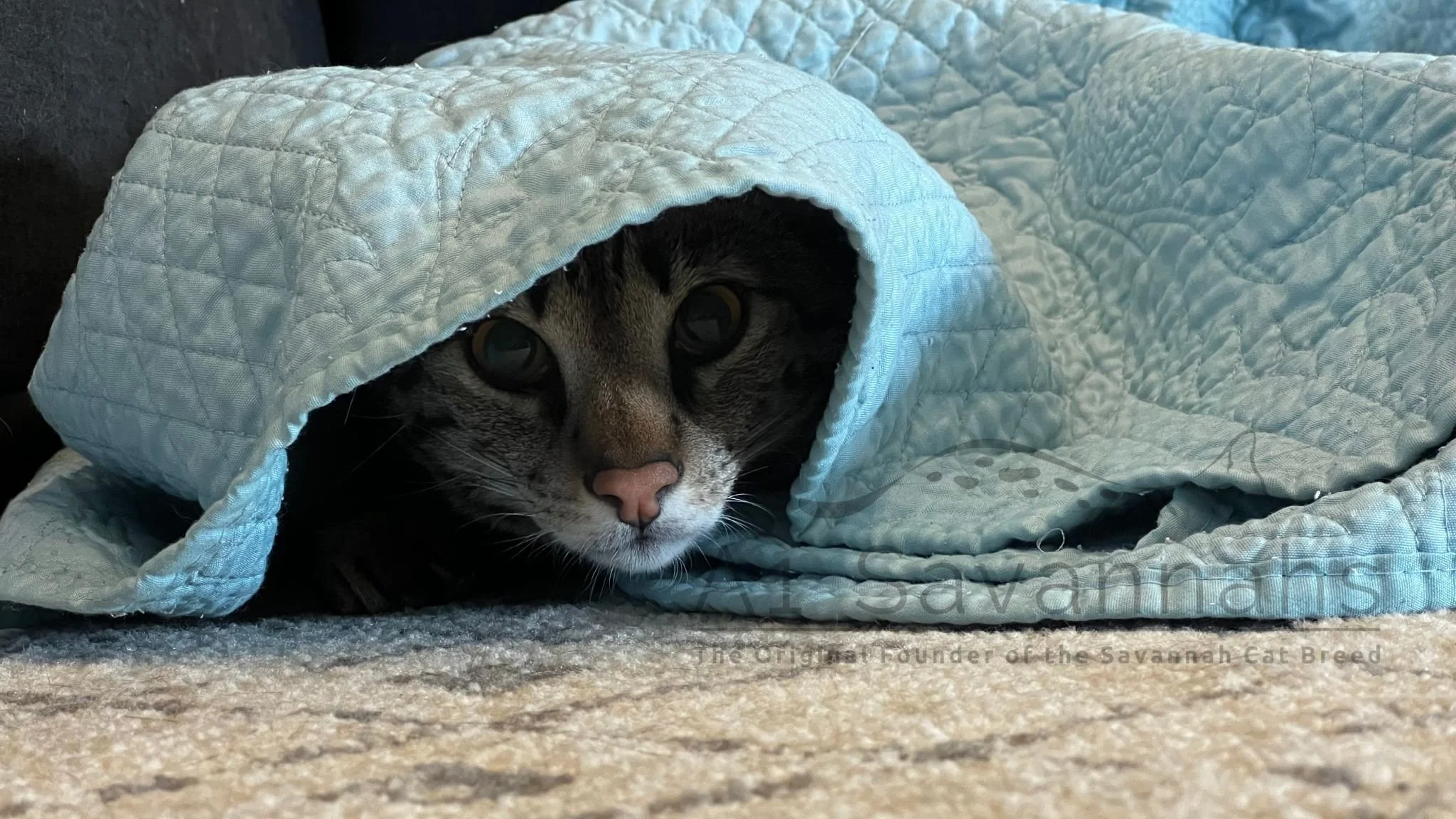
You notice a cockroach darting under the refrigerator. The spray is right there under the sink. But then you glance at your Savannah cat lounging on the kitchen floor.

 Wait—is this safe for her?

 Absolutely worth asking. Cats groom constantly, metabolize chemicals differently than dogs, and their smaller size concentrates toxin exposure. The American Society for the Prevention of Cruelty to Animals (ASPCA) reports that rodenticides and insecticides were among the top ten poisoning causes across all pets—including cats—in 2018 and 2019.

 Knowing which pest control methods endanger your cat, and which alternatives keep her safe, makes all the difference. Start by learning when professionals become necessary.

Professional Solutions for Cat-Safe Pest Management

Some pest problems are too big to handle alone. You need professionals. But here's the catch—most pest control companies don't really understand cats. They understand "pets" in general, which isn't the same thing.

Cats are different. They process chemicals differently than dogs. Their grooming habits mean anything on their fur or paws goes straight into their mouth. A service that works fine for your dog-owning neighbor could poison your cat.

Why IPM Matters for Cat Owners

Good pest control companies use something called Integrated Pest Management. It's not as complicated as it sounds. They seal up the holes where bugs get in. They remove whatever's attracting pests in the first place. They monitor. Spraying chemicals happens later, if at all.

 This matters for cats because it means fewer toxins in your home overall. Look for companies that explain their methods openly—what products they use, why they chose them, how they protect animals in the home. The best pet-friendly pest control services build their approach around these questions instead of avoiding them.

 Here's something else to watch for: timing. Cats can't be in treated areas until everything's dry. That could mean several hours depending on your humidity and air circulation. Companies that know what they're doing with cats will tell you "wait 6 hours" or "keep her out until tomorrow morning." When you need ongoing help, residential and commercial pest control experts who actually understand feline toxicity give you real numbers, not "it should be fine."

What to Ask Before You Hire

Get specific answers to these questions: 

  • What specific products will you use in my home?

  • Are those products safe for cats specifically, not just dogs or "pets" generally?

  • How long must my cat stay out of treated areas?

  • Can you provide material safety data sheets for the products?

  • Have you worked with cat households before, especially exotic breeds like Savannahs?


If they dodge or give you corporate-speak answers, move on.

Pest Control Products That Threaten Cats

Some pest control products are worse than others when it comes to cats. Knowing which ones to avoid—and why they're dangerous—helps whether you're hiring someone or tackling a problem yourself.

Rodent and Slug Baits

Rodent baits use brodifacoum and similar anticoagulants. These chemicals kill mammals, period. Your cat faces the same danger a mouse does. She can eat the bait directly, or she can hunt and eat a poisoned rodent—both scenarios introduce the same toxins.

 Secondary poisoning catches many cat owners off guard. Your cat kills a mouse that ate poison, and now she's poisoned too. "Tamper-proof" bait stations help, but cats can knock them over or pry them open with enough determination.

 Slug and snail baits present similar risks, especially for cats with outdoor or catio access. These products often contain metaldehyde and use molasses or bran as attractants. That sweet smell interests cats just as much as it interests slugs.

Permethrin: Fatal for Felines

Permethrin kills cats. Not "might harm" or "could cause problems"—it's neurotoxic to felines in a way it isn't to dogs.

 You'll find permethrin in most dog flea and tick treatments. Cats can't break down pyrethroids, the chemical family permethrin belongs to. When exposed, they develop tremors, muscle twitching, and seizures that can prove fatal.

 The dog-to-cat transfer problem happens in multi-pet homes. Your dog gets his flea treatment, your cat rubs against him or grooms him, and suddenly your cat is experiencing a neurotoxic reaction. Products labeled "for dogs only" mean it—never use them on cats, even at reduced doses.

Foggers and Sprays Create Persistent Hazards

Indoor foggers, the bug bombs you set off and leave, fill your entire home with aerosolized pesticide. Everything gets coated—counters, floors, furniture, cat trees. Your cat must leave before you fog and can't return for hours, even after you've aired the place out.

 Surface sprays and concentrated treatments leave residue long after they look dry. Cats walk across treated baseboards or window sills, then groom their paws. What was on the floor is now in their digestive system.

 Cats live at floor level where pesticide particles settle. They sleep there, they breathe there, they exist in the zone where exposure hits hardest. This isn't about being overly cautious—it's about basic physiology.

Warning Signs of Pesticide Poisoning

Watch for these symptoms if you suspect exposure: 

  • Excessive drooling or foaming at the mouth

  • Vomiting or diarrhea

  • Tremors, muscle twitching, or shaking

  • Loss of coordination or stumbling

  • Seizures or convulsions

  • Labored or rapid breathing


If you see any of these, act immediately. Time matters with pesticide poisoning.

How Cats Encounter Pesticide Exposure

Recognizing warning signs helps, but understanding how exposure happens in the first place prevents most problems. Cats encounter pesticides through three main routes, and each one requires different prevention strategies.

Inhalation: Airborne Particles

Cats breathe in pesticide particles from sprays, foggers, and aerosol applications. They're closer to the floor than you are, which matters because heavier particles settle downward. Your cat spends her entire life in the zone where these chemicals concentrate.

Dermal Contact: Skin and Paw Absorption

Paw pads absorb chemicals when cats walk across treated floors or brush against sprayed surfaces. Fresh applications pose the obvious risk, but even dried residues transfer to fur and skin. In multi-pet households, a treated dog becomes a walking contamination source when your cat rubs against him.

Ingestion: The Primary Cat Danger

This is where cats face their biggest risk. Grooming behavior turns every other exposure route into an ingestion problem. Your cat walks across a treated floor, then spends twenty minutes cleaning her paws. Surface residue becomes oral intake.

 Cats also ingest pesticides by licking treated objects, eating baits directly, or hunting poisoned prey. That last one—secondary poisoning from eating poisoned rodents—affects outdoor and indoor/outdoor cats particularly hard.

 The University of Nebraska Extension provides comprehensive guidance on protecting your cats and dogs from pesticide exposure, including species-specific safety protocols and emergency response procedures. Having reliable information ready can save critical time when minutes matter.

If You Suspect Exposure

Take these steps immediately: 

  • Remove your cat from the exposure source right now

  • Call your veterinarian without delay—don't wait to see if symptoms develop

  • Have the product label or name ready for your vet

  • Contact the ASPCA Animal Poison Control Center (888-426-4435) or Pet Poison Helpline (800-213-6680)

  • Don't induce vomiting unless your vet specifically instructs you to


Emergency rooms see cats hours after exposure when earlier treatment could have prevented serious harm. Don't hesitate.

Cat-Safe Natural Pest Prevention

Knowing what to do in an emergency helps, but preventing exposure in the first place is better. Natural methods let you control pests without introducing toxins into your cat's environment.

Plant-Based Repellents

Plant lavender, rosemary, and marigolds around your home's perimeter or near catio areas. These repel mosquitoes and flies naturally. They look nice and they work.

 Basil and mint in containers near doorways discourage ants from crossing the threshold. Used coffee grounds, dried and sprinkled around garden perimeters, repel both ants and slugs. Cats can walk through these areas safely.

 Here's the catch—not all "natural" products are cat-safe. Certain essential oils irritate respiratory systems or prove outright toxic. Tea tree, citrus, pennyroyal, and pine oils can harm cats even in small concentrations. When in doubt, skip concentrated botanical products and stick with physical barriers.

 Some cats have respiratory issues that make them sensitive to strong scents or airborne particles, even natural ones. If your cat has inflammatory airway disease or similar conditions, physical barriers work better than anything you spray or diffuse.

Physical Barriers and Sanitation

Seal the cracks where pests get in. Caulk, door sweeps, window screen repairs—basic stuff that keeps bugs outside where they belong.

 Proper food storage removes the reason pests show up in the first place. Airtight containers for dry goods, prompt cleanup of spills and crumbs, eliminating standing water—these basics work better than most sprays.

 Regular cleaning matters more than most people realize. Vacuum frequently, wipe down surfaces, take out garbage before it overflows. Boring advice, but effective.

 Beneficial insects offer another layer of control for outdoor areas. Ladybugs eat aphids in gardens. Nematodes target soil-dwelling pests. These work well for prevention but won't solve an active indoor infestation.

Combining Methods for Best Results

Natural methods handle prevention and small problems just fine. But you'll need professionals when you're dealing with an infestation that won't quit, pests living inside your walls, or rodents that carry disease.

 Match your response to the problem size. Clean thoroughly, seal entry points, and use those natural barriers mentioned. If that doesn't work after a couple weeks, call someone.

Safety Rules That Actually Matter

Whether you're using products yourself or professionals are treating your home, these aren't suggestions: 

  • Store all pest control products in locked cabinets—cats open regular doors

  • Remove your cat from treatment areas for a minimum of 24 hours or until products dry completely

  • Remove food bowls, water dishes, toys, and bedding before any application

  • Never place bait stations where your cat can access them, even "tamper-proof" models

  • Remove dead rodents immediately to prevent secondary poisoning

  • After using any pest control products, be sure to wash your hands thoroughly.


These protocols aren't optional. They're the difference between effective pest control and taking your poisoned cat to the vet.

 Well that was fun…now Click on the links in the article to see where it takes you.

Until our next cat convo

-MARTIN

Discover Your Cat’s Hidden Story

Every cat owner knows that these small creatures have personalities all their own. From their graceful movements to their quirky habits, cats constantly surprise us. But behind those behaviours lies a deeper storyof their genetics. Understanding this story has never been easier thanks to Cat DNA testing from Basepaws.

Learn About Your Cat’s Ancestry

A Cat DNA test lets you explore your cat’s heritage. It reveals the breeds that make up your feline friend, offering insight into traits you may have noticed but never fully understood. Perhaps your cat is playful, adventurous, or a bit shy; these traits often have roots in their ancestry. By knowing your cat’s background, you gain a clearer understanding of why your furry companion behaves the way they do.

Many owners are surprised to find unexpected breeds in their cat’s genetic makeup. These discoveries can explain unusual features, colouring, or personality quirks. Learning about your cat’s ancestry not only satisfies curiosity but also deepens the connection between you and your pet. When you understand where they come from, you understand them better.

Exploring your cat’s lineage can also reveal fascinating family stories. For example, some cats may carry traits from ancient or rare breeds, which can explain their particular hunting instincts, coat patterns, or even vocal tendencies.

Others may show a mix of breeds from entirely different regions, offering insight into how diverse and resilient their genetics are. Knowing this information can also help you anticipate certain behaviours and provide an environment that suits their natural tendencies. Whether it’s a love for climbing, hiding in cosy spots, or a playful curiosity about everything around them, understanding your cat’s ancestry helps you thoughtfully nurture their unique personality.

Take Care of Your Cat’s Health

Cat DNA testing isn’t just about ancestry; it’s also about your cat’s well-being. The test can highlight genetic predispositions to certain conditions, from kidney disease to heart issues. With this knowledge, you can make informed choices about diet, exercise, and preventive care, helping your cat live a longer, healthier life.

If your cat carries a gene linked to a specific condition, early awareness allows you to take steps to monitor their health and prevent problems before they arise. This approach turns pet care into something proactive, giving your cat the best chance at a happy and comfortable life.

Understanding your cat’s genetics allows you to tailor care specifically to them, rather than relying on general advice.

Cat DNA can also provide insight into nutritional needs and sensitivities. Some cats may benefit from specialised diets or supplements based on their genetic makeup. By knowing these details, you can adjust their lifestyle to support their long-term wellness and ensure they remain active, energetic, and happy for years to come.

Discover Your Cat in a New Way

The process of Cat DNA testing is simple. You collect a small saliva sample from your cat, send it to the laboratory, and receive a detailed report within weeks. The results are easy to read and include both ancestry and health insights. Basepaws also offers an online platform to access and track your cat’s genetic information anytime, making it convenient and informative.

Beyond practical benefits, Cat DNA testing is a journey of discovery. Owners often enjoy learning the stories behind their cats’ behaviours. Maybe your cat has a lineage of active hunters or gentle lap cats that shape how they interact with you and their surroundings. Every discovery helps strengthen the bond between human and feline, making your relationship even more meaningful.

Caring for a cat today is about more than providing food and affection; it’s about understanding who they truly are. Cat DNA opens the door to deeper insight and care. By learning about your cat’s ancestry and potential health risks, you can create a life full of happiness, comfort, and wellness for your beloved companion.

Well that was fun…now Click on the links in the article to see where it takes you.

Until our next cat convo

-MARTIN

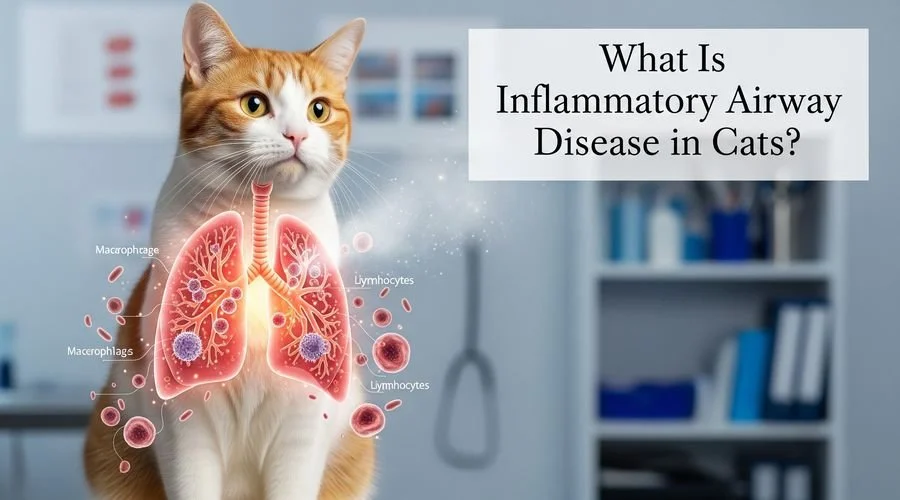
What Is Inflammatory Airway Disease in Cats? A Complete Guide

Cats are experts at hiding discomfort. Subtle changes in breathing, coughing, or activity can signal a deeper issue. One condition that often goes unnoticed is inflammatory airway disease in cats, a chronic condition that causes irritation and swelling in a cat’s airways, making breathing more difficult.

Recognizing early signs benefits both pet owners and vets by enabling quick actions for them both. Thus, the possibility of problems gets minimized. This guide deals with the symptoms, causes, diagnosis, and therapy of the condition. Besides, it offers professional resources and tips to make your cat more comfortable.

What is Inflammatory Airway Disease in Cats?

Feline inflammatory airway disease (FIAD in cats) is a condition in which a ca’s air passageways get inflamed for a long time. The swelling may involve the trachea, bronchi, or smaller lung passages, resulting in breathlessness. This long-term inflammation usually results in a cough that is not very noticeable in cats and other minor respiratory problems as well.

Generally, cats suffering from this particular disease will have the same characteristics as other cats. The main reason is that this inflammatory process occurs slowly, which is why it is important to recognize very small changes in the early stages of suffering. Unfolding early can eventually have a big effect onthe pet’s comfort and health for a long time to come.

Nutrition also plays a role in immune regulation, and high-quality Animal feed that supports overall wellness may help maintain respiratory resilience alongside veterinary care.

Once you have a clear understanding of the disease, the next step is to identify the symptoms that occur at disease onset and indicate that your cat may be affected.

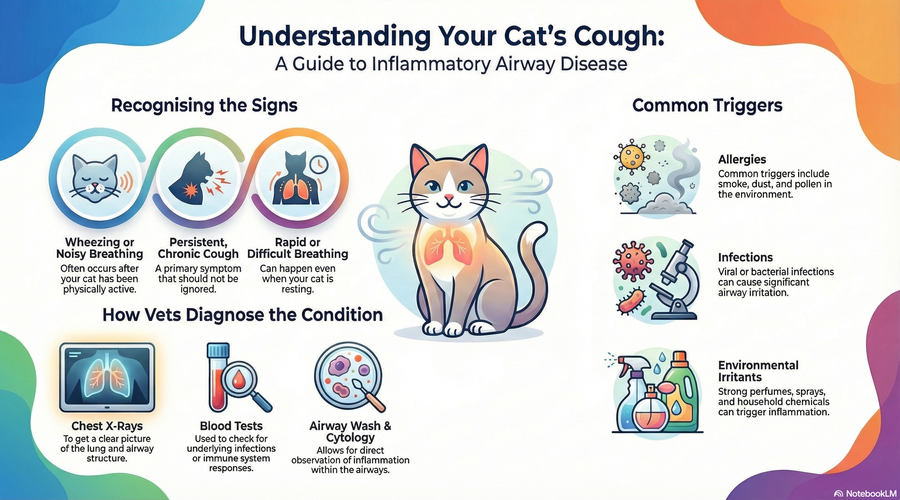
Symptoms of Inflammatory Disease in Cats

Detecting early inflammatory airway diseases in cats can avoid a lot of trouble. The general signs are:

● Wheezing or breathing with noise, which mostly occurs after the cat’s activity

● Difficult or rapid breathing, even when the cat is resting

● Fatigue or disinclination to engage in play

● Decreased appetite very occasionally

● Chronic cough in cats, which is persistent

The symptoms of the disease can vary in severity. Some cats may have a rare cough, while others might be constantly indicating that they are having breathing troubles. Hence, it is advisable to take the cat to the vet even when the signs are very mild, because it is always better to treat the disease at an early stage.

Getting to know the symptoms is useful; on the other hand, recognizing the factors that cause the inflammation of a cat’s airways is also very crucial in controlling the condition.

Causes of Inflammatory Airway Disease in Cats

Inflammation of a cat’s airways can result from various factors. The most common triggers are as follows:

● Allergies to smoke, dust, and pollen

● Infections, such as viral or bacterial, that cause airway irritation

● Environmental irritants such as very strong sprays, perfumes, or household chemicals

● Mediated immune reactions causing inflammation to be heightened

There are instances when the exact cause is not determined, but there is always a presence of chronic irritation. It is good for pet owners to know these and the other possible triggers, for they will be able to limit exposures at home. At the same time, the veterinarians can make a specific treatment plan for each cat.

Identifying possible causes allows veterinarians to plan effective tests and confirm whether your cat has feline inflammatory airway disease.

Diagnosing Cat Airway Inflammation

Feline inflammatory airway disease is diagnosed by veterinarians through a combination of observation, imaging, and laboratory tests. These are:

● Assessment of the lung and airway structure by taking chest X-rays

● Conducting blood tests to detect either infection or immune responses

● Performing an airway wash and cytology to observe the inflammation

● Carrying out allergy testing to find out the possible environmental triggers

A precise diagnosis is very important as it also helps to distinguish between feline asthma and inflammatory airway disease, thus informing the choice of treatment. For veterinary teams, professional guidance like the Managing Inflammatory Airway Disease in Cats Webinar provides in-depth insight into managing complex respiratory cases.

Treatment, Care, and Home Tips

The treatment aims at minimizing the inflammation, facilitating breathing, and reducing the likelihood of reoccurrences. Veterinarians may prescribe anti-inflammatory drugs or bronchodilators. Furthermore, environmental modifications at home have a significant impact on the treatment process.

Cat owners can do very easy things to help the cat with its breathing problem:

● Choose cat litter with low dust

● Do not allow smoking in the house

● Stay away from strong sprays, perfumes, and air fresheners

● Use clean air in the house and keep it moderately humid

● Watch for any changes in the cat's breathing or coughing

A veterinary consultation should be prioritized if your feline friend is suffering from a continuous cough, producing a whistling sound while breathing, struggling to breathe, is not playful, and is refusing to eat. Taking care at an early stage is very beneficial as the cat will not only have a healthier life but also be free from complications.

If you are seeking practical experiences to gain in respiratory care, the Relief Vet Jobs could be a way to learn the hands-on skills in the clinics. This very experience can be extremely supportive in the process of navigating through and controlling the airway disorders.

The majority of cats are able to cope with this ailment if they receive veterinary treatment along with proper care at home. They will be able to enjoy their life in an easy and healthy way.

Conclusion

Feline inflammatory airway disease is frequently seen; however, it generally remains undetected. Familiarity with the signs, origins, and remedies can be a great help in a cat’s life. With the right veterinary care and timely detection, most cats can live in good condition.

FAQs

Can inflammatory airway disease in cats be cured?

Feline inflammatory airway disease is not always completely curable. Nevertheless, the proper treatment can keep the symptoms in check very well. Environmental alterations and medicines make it easier for your cat to breathe.

How serious is chronic cough in cats?

Airway inflammation or another respiratory issue might be indicated even by intermittent chronic coughing in cats. If the problem is not addressed, it could gradually develop to more serious symptoms.

What is the difference between feline asthma vs inflammatory airway disease?

Feline asthma and inflammatory airway disease appear to be quite alike, yet actually, they are not the same. Asthma is primarily a condition due to hypersensitivity leading to the constriction of the airways. On the other hand, inflammatory airway disease is characterized by a long-standing inflammation of the airways of a larger scale.

Well that was fun…now Click on the links in the article to see where it takes you.

Until our next cat convo

-MARTIN

Why Quality Ingredients Make All the Difference in Pet Nutrition

Have you ever thought about how much your pet’s food affects their health and happiness? 

Just like humans feel better when eating fresh, nourishing meals, pets also thrive when their food is made with the right ingredients. 

The quality of what goes into their bowl plays a big role in their energy, coat shine, digestion, and even their mood.

The Link Between Ingredients and Pet Health

The nutrients your pet gets come directly from the ingredients in their food. High-quality ingredients offer natural vitamins, minerals, and proteins that keep their body strong. 

Poor-quality ingredients may not provide the same level of nutrition, which can impact how they feel and look. Choosing acana dog food made from fresh, natural, and wholesome ingredients helps your pet stay active, happy, and healthy.

How Nutrients Work Together

Protein supports muscle strength, healthy fats keep the skin soft and coat glossy, and carbohydrates provide lasting energy. 

Vitamins and minerals strengthen the immune system, while antioxidants protect the body from everyday stress. When all these nutrients are balanced in the right way, pets enjoy better health and more energy to play and explore.

Benefits of Real Meat in Pet Food

One of the most important parts of pet nutrition is protein quality. Real meat, like chicken, beef, lamb, or fish, is a rich source of amino acids that pets need for growth and repair. 

Fish-based proteins also add omega-3 fatty acids, which support joint health and keep the coat shiny. Choosing food with real meat as the first ingredient ensures your pet is getting the nutrition their body can use effectively.

Why Meat Quality Matters

High-quality meat is more digestible, meaning your pet can absorb and use the nutrients better. It also provides more natural flavor, making mealtimes something they look forward to.

Fresh Vegetables and Fruits for Natural Goodness

Vegetables and fruits in plaque off powder dogs offer natural sources of fiber, vitamins, and antioxidants. 

Ingredients like carrots, blueberries, sweet potatoes, and spinach help keep digestion smooth and the immune system strong. They also provide important plant-based nutrients that work alongside proteins and fats to support complete health.

Fiber for Digestion

Fiber from vegetables and fruits helps maintain a healthy gut. A balanced gut leads to better nutrient absorption and more consistent energy levels.

Healthy Fats for Energy and Shine

Fats are not just a source of energy; they also keep your pet’s skin hydrated and coat looking silky. Healthy fats like fish oil, flaxseed, and chicken fat are packed with omega fatty acids that improve skin condition and add a natural shine to the coat. The right balance of fats also supports brain health and overall vitality.

Whole Grains for Balanced Nutrition

Whole grains like brown rice, oats, and barley provide steady energy and support digestive health. They are rich in fiber and essential nutrients, helping to keep your pet satisfied between meals. Unlike fillers, whole grains contribute real nutritional value.

Importance of Natural Preservation

Pet food made with natural preservatives like vitamin E or rosemary extract stays fresh without unnecessary additives. This means your pet enjoys the benefits of wholesome ingredients without exposure to artificial chemicals. Freshness also keeps the taste appealing, encouraging healthy eating habits.

Avoiding Unnecessary Fillers

While every ingredient in quality pet food serves a purpose, some foods add unnecessary fillers that provide little to no nutrition. Choosing a formula with nutrient-rich ingredients ensures that every bite your pet takes is doing something good for their body.

How to Spot Quality Ingredients on Labels

When looking at a pet food label, the first few ingredients tell you a lot about its quality. Real meat, whole grains, and fresh vegetables should be at the top of the list. Avoid products where the main ingredients are vague or overly processed. A clear ingredient list reflects transparency and quality.

Tailoring Ingredients to Your Pet’s Needs

Every pet is unique. Some may benefit from grain-free recipes, while others need food rich in omega-3s for skin health. Puppies, active adults, and seniors all have different nutritional needs. Choosing quality ingredients suited to their life stage ensures they get the exact nutrition they require.

Long-Term Benefits of Quality Ingredients

Feeding your pet food made with quality ingredients is an investment in their long-term health. Better nutrition leads to a shinier coat, stronger muscles, improved digestion, and more playful energy. It also supports a stronger immune system, helping them stay healthy year after year.

Conclusion

Quality ingredients truly make all the difference in pet nutrition. They provide the essential building blocks for a healthy body, an active lifestyle, and a happy spirit. By choosing food made with real meat, fresh vegetables, healthy fats, and natural nutrients, you’re giving your pet the best chance to thrive at every stage of life.


Well that was fun…now Click on the links in the article to see where it takes you.

Until our next cat convo

-MARTIN

Better Care, Less Stress: How to Make Vet Visits Easier on Your Cat

Veterinary visits are essential for maintaining your cat's health, but they can be stressful experiences for both you and your feline companion. Cats are naturally territorial creatures who thrive on routine and familiar environments, making trips to the vet particularly challenging. However, with proper preparation and understanding of your cat's needs, you can significantly reduce anxiety and make these important appointments more manageable for everyone involved.

Understanding Why Cats Find Vet Visits Stressful

Cats experience stress during veterinary visits for several interconnected reasons. The unfamiliar smells, sounds, and sights of a veterinary clinic can overwhelm their sensitive senses. The presence of other animals, particularly dogs, can trigger their natural fight-or-flight response. Additionally, being handled by strangers and undergoing medical examinations activates their survival instincts, as cats instinctively hide illness and vulnerability in the wild.

The carrier itself often becomes a source of anxiety, as many cats only encounter it during stressful situations like vet visits or moving. This creates negative associations that can begin the stress response before even leaving home. Understanding these triggers is the first step toward creating a more positive experience.

Preparing Your Cat at Home

Successful vet visits begin with preparation at home, ideally weeks before the appointment. Start by making the carrier a positive part of your cat's environment. Leave it open in a comfortable area where your cat spends time, placing familiar bedding, treats, or toys inside. Feed your cat near or inside the carrier to create positive associations.

Practice short car rides when your cat isn't going to the vet, allowing them to become accustomed to the motion and sounds of travel. Gradually increase the duration of these practice trips, always ending with something pleasant like returning home or receiving treats.

Consider using pheromone sprays or diffusers containing synthetic feline facial pheromones, which can help reduce anxiety. These products mimic the calming scents cats naturally produce and can be applied to the carrier or used in your home before the appointment.

Choosing the Right Carrier and Transportation

The carrier you choose plays a crucial role in your cat's comfort level. Hard-sided carriers that open from the top are often preferable, as they allow veterinary staff to examine your cat without forcing them out of their safe space. Ensure the carrier is large enough for your cat to stand, turn around, and lie down comfortably.

Secure the carrier properly in your vehicle, preferably on the floor behind a seat or secured with a seatbelt to minimize movement during transport. Cover the carrier with a light blanket to create a den-like environment and reduce visual stimulation. Play calming music or maintain a quiet atmosphere during the drive.

Working with Your Veterinary Team

Communication with your veterinary team is essential for minimizing stress. When scheduling appointments, ask about quieter times of day or request to wait in a separate room if your cat is particularly anxious. Many clinics offer cat-only hours or have separate waiting areas specifically designed for felines.

Inform the veterinary staff about your cat's temperament, previous experiences, and specific triggers. This information helps them tailor their approach and handle your cat more effectively. Some cats respond better to slow, gentle movements, while others prefer quick, efficient examinations.

Consider asking whether certain procedures can be performed with your cat remaining in the carrier. Many routine examinations, vaccinations, and even some treatments can be administered this way, reducing the stress of being removed from their safe space. You can even schedule at-home euthanasia for a peaceful goodbye when the time comes.

Regular veterinary care is crucial for your cat's health and longevity. By implementing these strategies consistently, you can transform vet visits from traumatic experiences into manageable routine appointments, ensuring your feline companion receives the medical care they need while maintaining their emotional well-being.

Well that was fun…now Click on the links in the article to see where it takes you.

Until our next cat convo

-MARTIN

How to Introduce Variety Without Overwhelming Your Pet

Ever wondered if your pet gets bored of eating the same food or playing the same games every day? 

Just like us, pets enjoy a little change now and then. But the trick is doing it without stressing them out. 

So how do you bring in variety—whether it’s food, toys, or routines—without overwhelming your furry friend?

Let’s break it down in a way that keeps your pet happy, relaxed, and curious in all the right ways.


Why Variety Is Good for Pets

Pets love routine, but they also enjoy a bit of fun and surprise. Switching things up once in a while can be good for their health and happiness. It helps with mental stimulation, reduces boredom, and even keeps their senses sharp. Whether it’s a new toy, a different walking path, or a fresh treat, small changes can spark excitement in their day.

For pets that stay indoors a lot, variety helps prevent boredom-related behaviours like chewing furniture or scratching things they shouldn’t. For pets that love the outdoors, it can make daily activities like walks or training more engaging.

Start Small and Observe

The key to adding variety is going slow. Animals, like people, take time to adjust to new things. Sudden changes might make them anxious or even cause them to avoid something they usually enjoy.

Start by making small adjustments. 

For example, if you’re trying new food, mix a little bit with their regular meal. If it’s a new toy, introduce it during a play session they already enjoy. Watch how your pet reacts. If they seem interested and calm, you’re on the right track. If they avoid it or act unsure, give them a bit more time.

Food Variety Without Upsetting Their Tummy

Changing a pet’s food too quickly can sometimes cause stomach discomfort, so always introduce new food slowly. Mix a small portion of the new food with their regular meal and gradually increase it over a few days.

You can also add safe toppers like a spoonful of plain yogurt, steamed veggies, or shredded chicken to their existing food for variety. Make sure the ingredients are pet-friendly and don’t contain anything harmful. Always check with your vet before giving them something new, especially if your pet has any allergies.

Snacks are another easy way to bring in variety. Try different textures and flavours in small amounts. Just be sure to keep it balanced so treats don’t replace their regular meals. Similarly, balance matters in your online presence too, knowing how to remove negative content & information from Google can help you maintain a healthy digital reputation, just like you would for your pet’s health.


Change Playtime Without Losing Routine

Playtime is a great opportunity to introduce new things without disrupting your pet’s routine. Instead of changing everything at once, rotate their toys every few days. This keeps the toys feeling fresh without overwhelming them.

You can also bring in toys that engage their senses. Some pets love toys with different sounds, scents, or textures. Just make sure each new toy is safe for its size and chewing style.

Interactive play like fetch, tug, or puzzle toys also adds variety to the way your pet uses their mind and body. They love the attention and stimulation, and it keeps them happy without making things complicated.

Exploring New Environments the Easy Way

Pets benefit from exploring new places, but it’s important to do this calmly and positively. For dogs, this could be as simple as walking in a different direction, visiting a new park, or letting them sniff around new areas. For cats, try placing a new scratching post, climbing tower, or window perch in a different spot in your home.

If you’re taking your pet to a new place, bring something familiar like their blanket or favorite toy. This gives them a sense of comfort and helps them feel safe while they take in new sights and smells.

Always let them set the pace. Some pets will jump right into exploring, while others might take it slow. Either way is fine, your job is to give them the space and time to enjoy it.

Keep Routine as the Foundation

Even though variety is great, your pet still needs a steady routine. Feeding times, potty breaks, and bedtime should stay predictable. A solid routine helps pets feel secure, especially when you’re introducing new things. It’s like giving them an anchor so they’re not overwhelmed by change.

Think of it this way, routine provides the structure, and variety adds the fun. When both are balanced, your pet feels confident and curious at the same time.

Use Positive Reinforcement

When you introduce something new, always use positive reinforcement. Give them praise, pets, or a small treat when they explore or try the new item. This makes the experience fun and helps your pet build positive associations with new things.

Over time, they’ll become more open to change because they know good things follow. This is especially helpful for shy or sensitive pets who might take longer to warm up to something different.

Match Variety With Your Pet’s Personality

Not all pets enjoy the same types of variety. Some are adventurous and love every new toy or snack you offer. Others prefer familiarity and might need more time with new things. That’s okay.

Pay attention to how your pet responds and tailor the changes to suit their comfort level. If your dog gets super excited about walks, you can switch routes often. If your cat loves quiet playtime, try new feather toys or a different hiding box instead of noisy gadgets.

The goal is to keep things interesting, not to overwhelm them. So, always go at their pace and choose things that match their energy and personality.

Add Variety to Training and Learning

Training is another way to add positive variety to your pet’s life. You can teach them new tricks or commands using rewards. This keeps their mind active and helps them bond with you. Try practicing tricks in different parts of the house or during walks. Small changes in the setting can make it more fun.

You can also introduce simple problem-solving games or nose-work challenges using treats or toys. These keep your pet engaged and can be a fun break from the usual play. Just like pets benefit from new forms of engagement, platforms like CloutRep help individuals and professionals stay visible and active in the digital space, showcasing personality, skills, and presence in fresh, creative ways.

Wrapping It Up

Bringing variety into your pet’s life can be a wonderful way to keep them happy, healthy, and mentally sharp. The secret is to start small, stick to routines where it matters, and match new experiences with what your pet enjoys most. With a little care and attention, you can keep life exciting for your furry friend—without any stress. They’ll thank you for it in tail wags, purrs, and plenty of cuddles.

Well that was fun…now Click on the links in the article to see where it takes you.

Until our next cat convo

-MARTIN

Dogs vs. Cats: 5 Foods They Can’t Eat

Pet owners often wonder what human foods are safe to share with their furry companions. While some foods provide beneficial nutrients, others can be harmful or even deadly to dogs and cats. Since their digestive systems differ from ours, it’s crucial to know which foods to avoid and which are safe in moderation.

In this article, we’ll cover five common foods that dogs and cats should never eat, as well as a few that are surprisingly safe. We'll also explore whether dogs and cats can eat radishes, applesauce, and edamame.

1. Chocolate: A Toxic Treat for Both

Chocolate is one of the most well-known toxic foods for dogs and cats. It contains theobromine and caffeine, both of which can cause serious health issues. Dogs are particularly vulnerable because their bodies metabolize theobromine slowly, leading to symptoms like vomiting, diarrhea, tremors, seizures, and even death in severe cases.

Cats are less likely to consume chocolate due to their more selective eating habits, but if they do, the consequences can be just as dangerous. Dark chocolate and baking chocolate contain higher levels of theobromine, making them especially hazardous.

Tip: Keep all chocolate products out of reach of pets, including baked goods, candy, and cocoa powder.

2. Grapes and Raisins: A Hidden Danger

Grapes and raisins are extremely toxic to dogs, even in small amounts. They can cause sudden kidney failure, leading to vomiting, lethargy, loss of appetite, and severe dehydration. Some dogs may be more sensitive than others, but it’s best to avoid giving any grapes or raisins altogether.

While cases of grape toxicity in cats are rare, it's still best to keep them away to prevent any potential health risks.

Tip: If your pet accidentally eats grapes or raisins, seek veterinary help immediately. There’s no known safe amount, and quick intervention can make a difference.

3. Onions and Garlic: Harmful to Red Blood Cells

Onions, garlic, and other members of the allium family (such as leeks and chives) are toxic to both dogs and cats. These foods can damage red blood cells, leading to anemia. Symptoms may include weakness, pale gums, increased heart rate, and lethargy.

Cats are especially sensitive to onion and garlic toxicity, even in small amounts. In dogs, regular consumption over time can lead to cumulative damage.

Tip: Many processed foods, including soups and baby food, contain onion or garlic powder. Always check ingredient labels before sharing food with your pet.

4. Dairy Products: Not Always a Good Idea

While some pets tolerate dairy products, many dogs and cats are lactose intolerant. This means they lack the enzyme needed to properly digest lactose, leading to digestive upset such as diarrhea, bloating, and gas.

Cheese and yogurt contain lower lactose levels and may be safe in small amounts for some pets. However, high-fat dairy products can also contribute to obesity and pancreatitis.

Tip: If you want to offer your pet dairy, opt for lactose-free options or consult your vet for safer alternatives.

5. Xylitol: A Deadly Sweetener

Xylitol is a sugar substitute commonly found in sugar-free gum, candies, peanut butter, and some baked goods. It is highly toxic to dogs, causing rapid insulin release, leading to hypoglycemia (low blood sugar), seizures, liver failure, and even death.

Cats seem to be less affected by xylitol toxicity, but it’s still best to keep all products containing this ingredient far out of reach.

Tip: Always check ingredient lists before giving your pet any processed foods. If your dog consumes xylitol, seek veterinary attention immediately.

Safe or Not? Exploring Radishes, Applesauce, and Edamame

Pet owners often wonder about less common foods, such as radishes, applesauce, and edamame. Let’s break down whether these are safe for dogs and cats.

Can Dogs Eat Radishes?

Yes, dogs can eat radishes in moderation. Radishes are non-toxic and contain fiber, vitamin C, and potassium, which can be beneficial for digestion and overall health. However, some dogs may not like the spicy taste, and excessive amounts could cause mild stomach upset.

For cats: While radishes aren’t toxic to cats, they aren’t a natural part of their diet and may cause digestive issues if consumed in large quantities.

Can Dogs and Cats Eat Applesauce?

Dogs can eat plain, unsweetened applesauce in small amounts. It provides some fiber and vitamins but should be given in moderation due to its sugar content. Avoid applesauce that contains added sugar, artificial sweeteners, or cinnamon, as these can be harmful.

Cats, on the other hand, don’t need applesauce in their diet, but a tiny amount won’t harm them. Just ensure it’s free of added sugars or artificial ingredients.

Can Dogs and Cats Eat Edamame?

Edamame (young soybeans) is safe for dogs in small amounts. It’s packed with protein, fiber, and omega-3 fatty acids, which can benefit their health. However, edamame should be plain, without added salt, seasoning, or soy sauce.

Cats can also eat small amounts of plain edamame, but since felines are obligate carnivores, they don’t require plant-based proteins. Some cats might experience mild digestive upset after eating edamame.

Tips for Feeding Pets Safely

  1. Introduce New Foods Slowly – If you want to try giving your pet a new treat, start with a small amount and monitor for any signs of an upset stomach.

  2. Avoid Highly Processed Foods – Many human foods contain artificial sweeteners, preservatives, and high sodium levels that can be harmful to pets.

  3. Check with Your Vet – When in doubt, consult your veterinarian before introducing new foods into your pet’s diet.

  4. Keep Toxic Foods Out of Reach – Be mindful of what’s accessible to your pet, especially during meals or holiday gatherings.

  5. Stick to a Balanced Diet – While occasional treats are fine, your pet's main nutrition should come from high-quality pet food formulated for their species.

Final Thoughts

Knowing which foods are safe and which ones to avoid can help you keep your furry friends healthy and happy. While some human foods, like applesauce and edamame, can be safe in moderation, others, such as chocolate, onions, and xylitol, are dangerous for both dogs and cats.

When in doubt, always check with a veterinarian before sharing your food with your pets. By making informed choices, you can ensure your dog or cat enjoys a nutritious and safe diet for years to come.

Well that was fun…now Click on the links in the article to see where it takes you.

Until our next cat convo

-MARTIN

How To Choose The Right Cat

Do you find yourself daydreaming about relaxing at home and having a sweet little kitty curled up with you? Then it’s probably time to get yourself a cat. Choosing the “purrfect” feline friend is not a decision that should be rushed because there are so many different breeds to choose from, each with its temperament and features. To help you choose the cat that suits you best, here’s a quick guide to the most important considerations you should make before becoming a cat parent. 

1. Consider your lifestyle

The first thing that you need to understand when you’re going to get a cat is that you are committing to looking after a pet that can live up to 20 years in most cases. So, they need to be a pet that suits your lifestyle. Certain breeds tend to be more energetic than others, which means that some are better suited to being indoor cats that will lounge around with their owners. In contrast, others might need more active families. 

Some questions to ask yourself to see what cat breed would suit your lifestyle are: 

  • Do I want an indoor or outdoor cat?

  • Do I want a cat that likes to cuddle?

  • Do I need a cat that gets along with dogs? 

  • Do I want a cat with an exotic look?

  • Do I want a smaller or bigger cat?

When looking for the right cat for you, take your time and compare different cat breeds so you can find the one that best suits your lifestyle. 

2. Do you have allergies? 

Many people suffer from cat allergies and completely rule out the possibility of owning a cat. However, certain breeds, referred to as hypoallergenic cat breeds, are less likely to trigger allergic reactions. There may be no such thing as a completely hypoallergenic cat, but these cats don’t shed as much fur as other breeds and might make it possible for people with minor allergies to own a cat.

3. Do you want a kitten, or would you adopt an adult cat?

Another important consideration to make is whether you should get a kitten or adopt an adult cat. When you choose to raise a cat from kittenhood, you need to be aware that it can take up to six months for their balance and vision to fully develop, which means for the first year, they are very dependent on their owners. Alternatively, you could make the perfect home for a slightly older cat, which can be significantly easier, as they likely won’t demand as much attention, training and time. 

4. Do you want a pedigree?

When choosing a cat, you can either go for a purebred pedigree or a mixed moggy cat. Pedigree cats have distinct features like coat types, color patterns and character traits, while moggy cats can be a mix and come in all sorts of shapes and sizes. Some believe that pedigree cats tend to be friendlier and more affectionate than moggies as they have been specifically bred for their desirable traits. However, moggies may have less risk of health problems due to the variation of genetics. 

Final Thoughts

When choosing a cat, take your time and really consider what you want because they do require a long-term commitment. It’s easy to find a cute kitten and bring them home but then find that their temperament doesn’t really suit your lifestyle and preferences. Hopefully, this guide will help you choose the right cat for you. 

This content is provided for informational purposes. Always consult a veterinarian for medical advice regarding your pet.

Well that was fun…now Click on the links in the article to see where it takes you.

Until our next cat convo

-MARTIN