
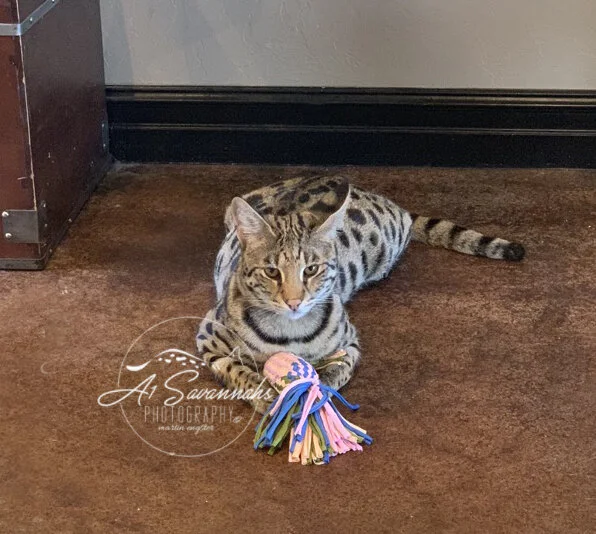
You notice a cockroach darting under the refrigerator. The spray is right there under the sink. But then you glance at your Savannah cat lounging on the kitchen floor.
Wait—is this safe for her?
Absolutely worth asking. Cats groom constantly, metabolize chemicals differently than dogs, and their smaller size concentrates toxin exposure. The American Society for the Prevention of Cruelty to Animals (ASPCA) reports that rodenticides and insecticides were among the top ten poisoning causes across all pets—including cats—in 2018 and 2019.
Knowing which pest control methods endanger your cat, and which alternatives keep her safe, makes all the difference. Start by learning when professionals become necessary.
Professional Solutions for Cat-Safe Pest Management
Some pest problems are too big to handle alone. You need professionals. But here's the catch—most pest control companies don't really understand cats. They understand "pets" in general, which isn't the same thing.
Cats are different. They process chemicals differently than dogs. Their grooming habits mean anything on their fur or paws goes straight into their mouth. A service that works fine for your dog-owning neighbor could poison your cat.
Why IPM Matters for Cat Owners
Good pest control companies use something called Integrated Pest Management. It's not as complicated as it sounds. They seal up the holes where bugs get in. They remove whatever's attracting pests in the first place. They monitor. Spraying chemicals happens later, if at all.
This matters for cats because it means fewer toxins in your home overall. Look for companies that explain their methods openly—what products they use, why they chose them, how they protect animals in the home. The best pet-friendly pest control services build their approach around these questions instead of avoiding them.
Here's something else to watch for: timing. Cats can't be in treated areas until everything's dry. That could mean several hours depending on your humidity and air circulation. Companies that know what they're doing with cats will tell you "wait 6 hours" or "keep her out until tomorrow morning." When you need ongoing help, residential and commercial pest control experts who actually understand feline toxicity give you real numbers, not "it should be fine."
What to Ask Before You Hire
Get specific answers to these questions:
What specific products will you use in my home?
Are those products safe for cats specifically, not just dogs or "pets" generally?
How long must my cat stay out of treated areas?
Can you provide material safety data sheets for the products?
Have you worked with cat households before, especially exotic breeds like Savannahs?
If they dodge or give you corporate-speak answers, move on.
Pest Control Products That Threaten Cats
Some pest control products are worse than others when it comes to cats. Knowing which ones to avoid—and why they're dangerous—helps whether you're hiring someone or tackling a problem yourself.
Rodent and Slug Baits
Rodent baits use brodifacoum and similar anticoagulants. These chemicals kill mammals, period. Your cat faces the same danger a mouse does. She can eat the bait directly, or she can hunt and eat a poisoned rodent—both scenarios introduce the same toxins.
Secondary poisoning catches many cat owners off guard. Your cat kills a mouse that ate poison, and now she's poisoned too. "Tamper-proof" bait stations help, but cats can knock them over or pry them open with enough determination.
Slug and snail baits present similar risks, especially for cats with outdoor or catio access. These products often contain metaldehyde and use molasses or bran as attractants. That sweet smell interests cats just as much as it interests slugs.
Permethrin: Fatal for Felines
Permethrin kills cats. Not "might harm" or "could cause problems"—it's neurotoxic to felines in a way it isn't to dogs.
You'll find permethrin in most dog flea and tick treatments. Cats can't break down pyrethroids, the chemical family permethrin belongs to. When exposed, they develop tremors, muscle twitching, and seizures that can prove fatal.
The dog-to-cat transfer problem happens in multi-pet homes. Your dog gets his flea treatment, your cat rubs against him or grooms him, and suddenly your cat is experiencing a neurotoxic reaction. Products labeled "for dogs only" mean it—never use them on cats, even at reduced doses.
Foggers and Sprays Create Persistent Hazards
Indoor foggers, the bug bombs you set off and leave, fill your entire home with aerosolized pesticide. Everything gets coated—counters, floors, furniture, cat trees. Your cat must leave before you fog and can't return for hours, even after you've aired the place out.
Surface sprays and concentrated treatments leave residue long after they look dry. Cats walk across treated baseboards or window sills, then groom their paws. What was on the floor is now in their digestive system.
Cats live at floor level where pesticide particles settle. They sleep there, they breathe there, they exist in the zone where exposure hits hardest. This isn't about being overly cautious—it's about basic physiology.
Warning Signs of Pesticide Poisoning
Watch for these symptoms if you suspect exposure:
Excessive drooling or foaming at the mouth
Vomiting or diarrhea
Tremors, muscle twitching, or shaking
Loss of coordination or stumbling
Seizures or convulsions
Labored or rapid breathing
If you see any of these, act immediately. Time matters with pesticide poisoning.
How Cats Encounter Pesticide Exposure
Recognizing warning signs helps, but understanding how exposure happens in the first place prevents most problems. Cats encounter pesticides through three main routes, and each one requires different prevention strategies.
Inhalation: Airborne Particles
Cats breathe in pesticide particles from sprays, foggers, and aerosol applications. They're closer to the floor than you are, which matters because heavier particles settle downward. Your cat spends her entire life in the zone where these chemicals concentrate.
Dermal Contact: Skin and Paw Absorption
Paw pads absorb chemicals when cats walk across treated floors or brush against sprayed surfaces. Fresh applications pose the obvious risk, but even dried residues transfer to fur and skin. In multi-pet households, a treated dog becomes a walking contamination source when your cat rubs against him.
Ingestion: The Primary Cat Danger
This is where cats face their biggest risk. Grooming behavior turns every other exposure route into an ingestion problem. Your cat walks across a treated floor, then spends twenty minutes cleaning her paws. Surface residue becomes oral intake.
Cats also ingest pesticides by licking treated objects, eating baits directly, or hunting poisoned prey. That last one—secondary poisoning from eating poisoned rodents—affects outdoor and indoor/outdoor cats particularly hard.
The University of Nebraska Extension provides comprehensive guidance on protecting your cats and dogs from pesticide exposure, including species-specific safety protocols and emergency response procedures. Having reliable information ready can save critical time when minutes matter.
If You Suspect Exposure
Take these steps immediately:
Remove your cat from the exposure source right now
Call your veterinarian without delay—don't wait to see if symptoms develop
Have the product label or name ready for your vet
Contact the ASPCA Animal Poison Control Center (888-426-4435) or Pet Poison Helpline (800-213-6680)
Don't induce vomiting unless your vet specifically instructs you to
Emergency rooms see cats hours after exposure when earlier treatment could have prevented serious harm. Don't hesitate.
Cat-Safe Natural Pest Prevention
Knowing what to do in an emergency helps, but preventing exposure in the first place is better. Natural methods let you control pests without introducing toxins into your cat's environment.
Plant-Based Repellents
Plant lavender, rosemary, and marigolds around your home's perimeter or near catio areas. These repel mosquitoes and flies naturally. They look nice and they work.
Basil and mint in containers near doorways discourage ants from crossing the threshold. Used coffee grounds, dried and sprinkled around garden perimeters, repel both ants and slugs. Cats can walk through these areas safely.
Here's the catch—not all "natural" products are cat-safe. Certain essential oils irritate respiratory systems or prove outright toxic. Tea tree, citrus, pennyroyal, and pine oils can harm cats even in small concentrations. When in doubt, skip concentrated botanical products and stick with physical barriers.
Some cats have respiratory issues that make them sensitive to strong scents or airborne particles, even natural ones. If your cat has inflammatory airway disease or similar conditions, physical barriers work better than anything you spray or diffuse.
Physical Barriers and Sanitation
Seal the cracks where pests get in. Caulk, door sweeps, window screen repairs—basic stuff that keeps bugs outside where they belong.
Proper food storage removes the reason pests show up in the first place. Airtight containers for dry goods, prompt cleanup of spills and crumbs, eliminating standing water—these basics work better than most sprays.
Regular cleaning matters more than most people realize. Vacuum frequently, wipe down surfaces, take out garbage before it overflows. Boring advice, but effective.
Beneficial insects offer another layer of control for outdoor areas. Ladybugs eat aphids in gardens. Nematodes target soil-dwelling pests. These work well for prevention but won't solve an active indoor infestation.
Combining Methods for Best Results
Natural methods handle prevention and small problems just fine. But you'll need professionals when you're dealing with an infestation that won't quit, pests living inside your walls, or rodents that carry disease.
Match your response to the problem size. Clean thoroughly, seal entry points, and use those natural barriers mentioned. If that doesn't work after a couple weeks, call someone.
Safety Rules That Actually Matter
Whether you're using products yourself or professionals are treating your home, these aren't suggestions:
Store all pest control products in locked cabinets—cats open regular doors
Remove your cat from treatment areas for a minimum of 24 hours or until products dry completely
Remove food bowls, water dishes, toys, and bedding before any application
Never place bait stations where your cat can access them, even "tamper-proof" models
Remove dead rodents immediately to prevent secondary poisoning
After using any pest control products, be sure to wash your hands thoroughly.
These protocols aren't optional. They're the difference between effective pest control and taking your poisoned cat to the vet.
Well that was fun…now Click on the links in the article to see where it takes you.
