Why Some Pest Control Methods Are Dangerous for Pets — And What to Use Instead

You notice a cockroach darting under the refrigerator. The spray is right there under the sink. But then you glance at your Savannah cat lounging on the kitchen floor.

 Wait—is this safe for her?

 Absolutely worth asking. Cats groom constantly, metabolize chemicals differently than dogs, and their smaller size concentrates toxin exposure. The American Society for the Prevention of Cruelty to Animals (ASPCA) reports that rodenticides and insecticides were among the top ten poisoning causes across all pets—including cats—in 2018 and 2019.

 Knowing which pest control methods endanger your cat, and which alternatives keep her safe, makes all the difference. Start by learning when professionals become necessary.

Professional Solutions for Cat-Safe Pest Management

Some pest problems are too big to handle alone. You need professionals. But here's the catch—most pest control companies don't really understand cats. They understand "pets" in general, which isn't the same thing.

Cats are different. They process chemicals differently than dogs. Their grooming habits mean anything on their fur or paws goes straight into their mouth. A service that works fine for your dog-owning neighbor could poison your cat.

Why IPM Matters for Cat Owners

Good pest control companies use something called Integrated Pest Management. It's not as complicated as it sounds. They seal up the holes where bugs get in. They remove whatever's attracting pests in the first place. They monitor. Spraying chemicals happens later, if at all.

 This matters for cats because it means fewer toxins in your home overall. Look for companies that explain their methods openly—what products they use, why they chose them, how they protect animals in the home. The best pet-friendly pest control services build their approach around these questions instead of avoiding them.

 Here's something else to watch for: timing. Cats can't be in treated areas until everything's dry. That could mean several hours depending on your humidity and air circulation. Companies that know what they're doing with cats will tell you "wait 6 hours" or "keep her out until tomorrow morning." When you need ongoing help, residential and commercial pest control experts who actually understand feline toxicity give you real numbers, not "it should be fine."

What to Ask Before You Hire

Get specific answers to these questions: 

  • What specific products will you use in my home?

  • Are those products safe for cats specifically, not just dogs or "pets" generally?

  • How long must my cat stay out of treated areas?

  • Can you provide material safety data sheets for the products?

  • Have you worked with cat households before, especially exotic breeds like Savannahs?


If they dodge or give you corporate-speak answers, move on.

Pest Control Products That Threaten Cats

Some pest control products are worse than others when it comes to cats. Knowing which ones to avoid—and why they're dangerous—helps whether you're hiring someone or tackling a problem yourself.

Rodent and Slug Baits

Rodent baits use brodifacoum and similar anticoagulants. These chemicals kill mammals, period. Your cat faces the same danger a mouse does. She can eat the bait directly, or she can hunt and eat a poisoned rodent—both scenarios introduce the same toxins.

 Secondary poisoning catches many cat owners off guard. Your cat kills a mouse that ate poison, and now she's poisoned too. "Tamper-proof" bait stations help, but cats can knock them over or pry them open with enough determination.

 Slug and snail baits present similar risks, especially for cats with outdoor or catio access. These products often contain metaldehyde and use molasses or bran as attractants. That sweet smell interests cats just as much as it interests slugs.

Permethrin: Fatal for Felines

Permethrin kills cats. Not "might harm" or "could cause problems"—it's neurotoxic to felines in a way it isn't to dogs.

 You'll find permethrin in most dog flea and tick treatments. Cats can't break down pyrethroids, the chemical family permethrin belongs to. When exposed, they develop tremors, muscle twitching, and seizures that can prove fatal.

 The dog-to-cat transfer problem happens in multi-pet homes. Your dog gets his flea treatment, your cat rubs against him or grooms him, and suddenly your cat is experiencing a neurotoxic reaction. Products labeled "for dogs only" mean it—never use them on cats, even at reduced doses.

Foggers and Sprays Create Persistent Hazards

Indoor foggers, the bug bombs you set off and leave, fill your entire home with aerosolized pesticide. Everything gets coated—counters, floors, furniture, cat trees. Your cat must leave before you fog and can't return for hours, even after you've aired the place out.

 Surface sprays and concentrated treatments leave residue long after they look dry. Cats walk across treated baseboards or window sills, then groom their paws. What was on the floor is now in their digestive system.

 Cats live at floor level where pesticide particles settle. They sleep there, they breathe there, they exist in the zone where exposure hits hardest. This isn't about being overly cautious—it's about basic physiology.

Warning Signs of Pesticide Poisoning

Watch for these symptoms if you suspect exposure: 

  • Excessive drooling or foaming at the mouth

  • Vomiting or diarrhea

  • Tremors, muscle twitching, or shaking

  • Loss of coordination or stumbling

  • Seizures or convulsions

  • Labored or rapid breathing


If you see any of these, act immediately. Time matters with pesticide poisoning.

How Cats Encounter Pesticide Exposure

Recognizing warning signs helps, but understanding how exposure happens in the first place prevents most problems. Cats encounter pesticides through three main routes, and each one requires different prevention strategies.

Inhalation: Airborne Particles

Cats breathe in pesticide particles from sprays, foggers, and aerosol applications. They're closer to the floor than you are, which matters because heavier particles settle downward. Your cat spends her entire life in the zone where these chemicals concentrate.

Dermal Contact: Skin and Paw Absorption

Paw pads absorb chemicals when cats walk across treated floors or brush against sprayed surfaces. Fresh applications pose the obvious risk, but even dried residues transfer to fur and skin. In multi-pet households, a treated dog becomes a walking contamination source when your cat rubs against him.

Ingestion: The Primary Cat Danger

This is where cats face their biggest risk. Grooming behavior turns every other exposure route into an ingestion problem. Your cat walks across a treated floor, then spends twenty minutes cleaning her paws. Surface residue becomes oral intake.

 Cats also ingest pesticides by licking treated objects, eating baits directly, or hunting poisoned prey. That last one—secondary poisoning from eating poisoned rodents—affects outdoor and indoor/outdoor cats particularly hard.

 The University of Nebraska Extension provides comprehensive guidance on protecting your cats and dogs from pesticide exposure, including species-specific safety protocols and emergency response procedures. Having reliable information ready can save critical time when minutes matter.

If You Suspect Exposure

Take these steps immediately: 

  • Remove your cat from the exposure source right now

  • Call your veterinarian without delay—don't wait to see if symptoms develop

  • Have the product label or name ready for your vet

  • Contact the ASPCA Animal Poison Control Center (888-426-4435) or Pet Poison Helpline (800-213-6680)

  • Don't induce vomiting unless your vet specifically instructs you to


Emergency rooms see cats hours after exposure when earlier treatment could have prevented serious harm. Don't hesitate.

Cat-Safe Natural Pest Prevention

Knowing what to do in an emergency helps, but preventing exposure in the first place is better. Natural methods let you control pests without introducing toxins into your cat's environment.

Plant-Based Repellents

Plant lavender, rosemary, and marigolds around your home's perimeter or near catio areas. These repel mosquitoes and flies naturally. They look nice and they work.

 Basil and mint in containers near doorways discourage ants from crossing the threshold. Used coffee grounds, dried and sprinkled around garden perimeters, repel both ants and slugs. Cats can walk through these areas safely.

 Here's the catch—not all "natural" products are cat-safe. Certain essential oils irritate respiratory systems or prove outright toxic. Tea tree, citrus, pennyroyal, and pine oils can harm cats even in small concentrations. When in doubt, skip concentrated botanical products and stick with physical barriers.

 Some cats have respiratory issues that make them sensitive to strong scents or airborne particles, even natural ones. If your cat has inflammatory airway disease or similar conditions, physical barriers work better than anything you spray or diffuse.

Physical Barriers and Sanitation

Seal the cracks where pests get in. Caulk, door sweeps, window screen repairs—basic stuff that keeps bugs outside where they belong.

 Proper food storage removes the reason pests show up in the first place. Airtight containers for dry goods, prompt cleanup of spills and crumbs, eliminating standing water—these basics work better than most sprays.

 Regular cleaning matters more than most people realize. Vacuum frequently, wipe down surfaces, take out garbage before it overflows. Boring advice, but effective.

 Beneficial insects offer another layer of control for outdoor areas. Ladybugs eat aphids in gardens. Nematodes target soil-dwelling pests. These work well for prevention but won't solve an active indoor infestation.

Combining Methods for Best Results

Natural methods handle prevention and small problems just fine. But you'll need professionals when you're dealing with an infestation that won't quit, pests living inside your walls, or rodents that carry disease.

 Match your response to the problem size. Clean thoroughly, seal entry points, and use those natural barriers mentioned. If that doesn't work after a couple weeks, call someone.

Safety Rules That Actually Matter

Whether you're using products yourself or professionals are treating your home, these aren't suggestions: 

  • Store all pest control products in locked cabinets—cats open regular doors

  • Remove your cat from treatment areas for a minimum of 24 hours or until products dry completely

  • Remove food bowls, water dishes, toys, and bedding before any application

  • Never place bait stations where your cat can access them, even "tamper-proof" models

  • Remove dead rodents immediately to prevent secondary poisoning

  • After using any pest control products, be sure to wash your hands thoroughly.


These protocols aren't optional. They're the difference between effective pest control and taking your poisoned cat to the vet.

 Well that was fun…now Click on the links in the article to see where it takes you.

Until our next cat convo

-MARTIN

Discover Your Cat’s Hidden Story

Every cat owner knows that these small creatures have personalities all their own. From their graceful movements to their quirky habits, cats constantly surprise us. But behind those behaviours lies a deeper storyof their genetics. Understanding this story has never been easier thanks to Cat DNA testing from Basepaws.

Learn About Your Cat’s Ancestry

A Cat DNA test lets you explore your cat’s heritage. It reveals the breeds that make up your feline friend, offering insight into traits you may have noticed but never fully understood. Perhaps your cat is playful, adventurous, or a bit shy; these traits often have roots in their ancestry. By knowing your cat’s background, you gain a clearer understanding of why your furry companion behaves the way they do.

Many owners are surprised to find unexpected breeds in their cat’s genetic makeup. These discoveries can explain unusual features, colouring, or personality quirks. Learning about your cat’s ancestry not only satisfies curiosity but also deepens the connection between you and your pet. When you understand where they come from, you understand them better.

Exploring your cat’s lineage can also reveal fascinating family stories. For example, some cats may carry traits from ancient or rare breeds, which can explain their particular hunting instincts, coat patterns, or even vocal tendencies.

Others may show a mix of breeds from entirely different regions, offering insight into how diverse and resilient their genetics are. Knowing this information can also help you anticipate certain behaviours and provide an environment that suits their natural tendencies. Whether it’s a love for climbing, hiding in cosy spots, or a playful curiosity about everything around them, understanding your cat’s ancestry helps you thoughtfully nurture their unique personality.

Take Care of Your Cat’s Health

Cat DNA testing isn’t just about ancestry; it’s also about your cat’s well-being. The test can highlight genetic predispositions to certain conditions, from kidney disease to heart issues. With this knowledge, you can make informed choices about diet, exercise, and preventive care, helping your cat live a longer, healthier life.

If your cat carries a gene linked to a specific condition, early awareness allows you to take steps to monitor their health and prevent problems before they arise. This approach turns pet care into something proactive, giving your cat the best chance at a happy and comfortable life.

Understanding your cat’s genetics allows you to tailor care specifically to them, rather than relying on general advice.

Cat DNA can also provide insight into nutritional needs and sensitivities. Some cats may benefit from specialised diets or supplements based on their genetic makeup. By knowing these details, you can adjust their lifestyle to support their long-term wellness and ensure they remain active, energetic, and happy for years to come.

Discover Your Cat in a New Way

The process of Cat DNA testing is simple. You collect a small saliva sample from your cat, send it to the laboratory, and receive a detailed report within weeks. The results are easy to read and include both ancestry and health insights. Basepaws also offers an online platform to access and track your cat’s genetic information anytime, making it convenient and informative.

Beyond practical benefits, Cat DNA testing is a journey of discovery. Owners often enjoy learning the stories behind their cats’ behaviours. Maybe your cat has a lineage of active hunters or gentle lap cats that shape how they interact with you and their surroundings. Every discovery helps strengthen the bond between human and feline, making your relationship even more meaningful.

Caring for a cat today is about more than providing food and affection; it’s about understanding who they truly are. Cat DNA opens the door to deeper insight and care. By learning about your cat’s ancestry and potential health risks, you can create a life full of happiness, comfort, and wellness for your beloved companion.

Well that was fun…now Click on the links in the article to see where it takes you.

Until our next cat convo

-MARTIN

Why Quality Ingredients Make All the Difference in Pet Nutrition

Have you ever thought about how much your pet’s food affects their health and happiness? 

Just like humans feel better when eating fresh, nourishing meals, pets also thrive when their food is made with the right ingredients. 

The quality of what goes into their bowl plays a big role in their energy, coat shine, digestion, and even their mood.

The Link Between Ingredients and Pet Health

The nutrients your pet gets come directly from the ingredients in their food. High-quality ingredients offer natural vitamins, minerals, and proteins that keep their body strong. 

Poor-quality ingredients may not provide the same level of nutrition, which can impact how they feel and look. Choosing acana dog food made from fresh, natural, and wholesome ingredients helps your pet stay active, happy, and healthy.

How Nutrients Work Together

Protein supports muscle strength, healthy fats keep the skin soft and coat glossy, and carbohydrates provide lasting energy. 

Vitamins and minerals strengthen the immune system, while antioxidants protect the body from everyday stress. When all these nutrients are balanced in the right way, pets enjoy better health and more energy to play and explore.

Benefits of Real Meat in Pet Food

One of the most important parts of pet nutrition is protein quality. Real meat, like chicken, beef, lamb, or fish, is a rich source of amino acids that pets need for growth and repair. 

Fish-based proteins also add omega-3 fatty acids, which support joint health and keep the coat shiny. Choosing food with real meat as the first ingredient ensures your pet is getting the nutrition their body can use effectively.

Why Meat Quality Matters

High-quality meat is more digestible, meaning your pet can absorb and use the nutrients better. It also provides more natural flavor, making mealtimes something they look forward to.

Fresh Vegetables and Fruits for Natural Goodness

Vegetables and fruits in plaque off powder dogs offer natural sources of fiber, vitamins, and antioxidants. 

Ingredients like carrots, blueberries, sweet potatoes, and spinach help keep digestion smooth and the immune system strong. They also provide important plant-based nutrients that work alongside proteins and fats to support complete health.

Fiber for Digestion

Fiber from vegetables and fruits helps maintain a healthy gut. A balanced gut leads to better nutrient absorption and more consistent energy levels.

Healthy Fats for Energy and Shine

Fats are not just a source of energy; they also keep your pet’s skin hydrated and coat looking silky. Healthy fats like fish oil, flaxseed, and chicken fat are packed with omega fatty acids that improve skin condition and add a natural shine to the coat. The right balance of fats also supports brain health and overall vitality.

Whole Grains for Balanced Nutrition

Whole grains like brown rice, oats, and barley provide steady energy and support digestive health. They are rich in fiber and essential nutrients, helping to keep your pet satisfied between meals. Unlike fillers, whole grains contribute real nutritional value.

Importance of Natural Preservation

Pet food made with natural preservatives like vitamin E or rosemary extract stays fresh without unnecessary additives. This means your pet enjoys the benefits of wholesome ingredients without exposure to artificial chemicals. Freshness also keeps the taste appealing, encouraging healthy eating habits.

Avoiding Unnecessary Fillers

While every ingredient in quality pet food serves a purpose, some foods add unnecessary fillers that provide little to no nutrition. Choosing a formula with nutrient-rich ingredients ensures that every bite your pet takes is doing something good for their body.

How to Spot Quality Ingredients on Labels

When looking at a pet food label, the first few ingredients tell you a lot about its quality. Real meat, whole grains, and fresh vegetables should be at the top of the list. Avoid products where the main ingredients are vague or overly processed. A clear ingredient list reflects transparency and quality.

Tailoring Ingredients to Your Pet’s Needs

Every pet is unique. Some may benefit from grain-free recipes, while others need food rich in omega-3s for skin health. Puppies, active adults, and seniors all have different nutritional needs. Choosing quality ingredients suited to their life stage ensures they get the exact nutrition they require.

Long-Term Benefits of Quality Ingredients

Feeding your pet food made with quality ingredients is an investment in their long-term health. Better nutrition leads to a shinier coat, stronger muscles, improved digestion, and more playful energy. It also supports a stronger immune system, helping them stay healthy year after year.

Conclusion

Quality ingredients truly make all the difference in pet nutrition. They provide the essential building blocks for a healthy body, an active lifestyle, and a happy spirit. By choosing food made with real meat, fresh vegetables, healthy fats, and natural nutrients, you’re giving your pet the best chance to thrive at every stage of life.


Well that was fun…now Click on the links in the article to see where it takes you.

Until our next cat convo

-MARTIN

Parrot as a pet: when this is possible

If you want to keep a parrot as a pet, there are a few things to consider, both legally and in terms of animal ethics. Here you can find out what requirements the birds have and what you should look out for when buying one. And you do not have to worry that they will interrupt your game at the best canadian online casino.

Parrots are generally permitted as pets in Germany. However, keeping them in a species- appropriate manner is not easy and requires a lot of attention and time. Prospective owners should therefore be aware that acquiring parrots comes with a lot of responsibility, not least because the birds usually have a life expectancy of several decades. Some parrot species can even live up to a hundred years. The average age of parrots kept as pets is between 50 and 70 years.

If you want to bring a parrot into your home, you should first find out what requirements you need to fulfill. In this article, we summarize the most important facts about the legal situation and keeping conditions, and give you tips for buying a parrot.

Parrots as pets: what the law says

Because of their social nature, you must not keep parrots as individual pets. The general conditions for keeping pets are regulated in the German Animal Welfare Act. In particular, Section 2 stipulates that pet owners must ensure species-appropriate nutrition, care and accommodation and must not restrict the freedom of movement of their animals in such a way that they suffer pain or damage as a result.

An expert opinion from the Federal Ministry of Food and Agriculture (BMEL) clarifies what species-appropriate husbandry means for parrots in particular. However, this report itself does not explicitly have the function of a law. Rather, it serves as an aid for owners to correctly implement the species-appropriate husbandry prescribed in the Animal Welfare Act, especially for parrots. However, official veterinarians also use this report during inspections to check whether the requirements of the Animal Welfare Act are being adequately met.

Because of their social nature, you must not keep parrots as individual pets. The general conditions for keeping pets are regulated in the German Animal Welfare Act. In particular, Section 2 stipulates that pet owners must ensure species-appropriate nutrition, care and accommodation and must not restrict the freedom of movement of their animals in such a way that they suffer pain or damage as a result.

An expert opinion from the Federal Ministry of Food and Agriculture (BMEL) clarifies what species-appropriate husbandry means for parrots in particular. However, this report itself does not explicitly have the function of a law. Rather, it serves as an aid for owners to correctly implement the species-appropriate husbandry prescribed in the Animal Welfare Act, especially for parrots. However, official veterinarians also use this report during inspections to check whether the requirements of the Animal Welfare Act are being adequately met.

According to the BMEL report, it is particularly important that parrots should not be kept individually as pets. Pet shops must at least sell them in pairs, as these birds are very social animals. The only exceptions are for sick or injured parrots or those that do not get along with other parrots of the same species and are strongly influenced by humans. If it can be assumed that they will get along with each other, you can also keep parrots of different species together.

Species-appropriate parrot keeping: diet, housing and care

The requirements for parrots as pets vary in detail from species to species. What species- appropriate keeping means in detail depends heavily on the particular parrot species. The special section of the BMEL report divides the approximately 340 known parrot species into four large groups in this respect:

● Parakeets

● Short-tailed parrots

● Macaws

● Loris and other nectar-drinking species

● You can find out more about the needs of individual species from specialist pet shops, for example.

However, the BMEL report also provides helpful information. The following general recommendations apply to all species:

Diet

According to the BMEL, most parrots feed on seeds, fruit or nectar. In addition to dry seeds, they must also be given sprouted food (special soft food for young birds), fruit and vegetables and green food, depending on the species. It is best to provide the food in a bowl.

The birds also need animal protein while they are rearing their young. Parrots also need a bowl of fresh drinking water in their accommodation. The food and water should be changed daily and the bowls cleaned.

Housing

Parrots can be housed as pets in aviaries, cages or bird rooms. As a general rule, the BMEL report stipulates “varied furnishings” in the accommodation, for example with fresh branches, toys and other objects.

You must not chain parrots or keep them on a hanger! The appropriate size of aviaries and cages varies from species to species and also depends on the number of birds. The same applies to the room temperature. The special section of the BMEL report contains precise recommendations for the four large groups. The floor of the accommodation should be covered with natural materials such as sand, sawdust from unprocessed wood, mulch or similar. You should clean it at least once a week and always ensure good hygiene.

Well that was fun…now Click on the links in the article to see where it takes you.

Until our next cat convo

-MARTIN
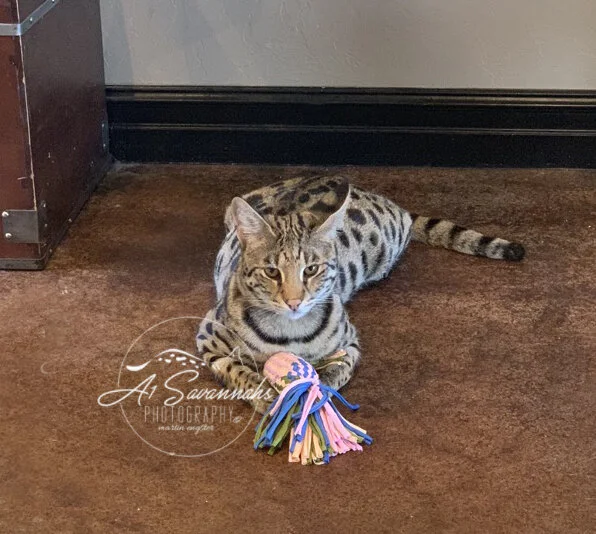
Better Care, Less Stress: How to Make Vet Visits Easier on Your Cat

Veterinary visits are essential for maintaining your cat's health, but they can be stressful experiences for both you and your feline companion. Cats are naturally territorial creatures who thrive on routine and familiar environments, making trips to the vet particularly challenging. However, with proper preparation and understanding of your cat's needs, you can significantly reduce anxiety and make these important appointments more manageable for everyone involved.

Understanding Why Cats Find Vet Visits Stressful

Cats experience stress during veterinary visits for several interconnected reasons. The unfamiliar smells, sounds, and sights of a veterinary clinic can overwhelm their sensitive senses. The presence of other animals, particularly dogs, can trigger their natural fight-or-flight response. Additionally, being handled by strangers and undergoing medical examinations activates their survival instincts, as cats instinctively hide illness and vulnerability in the wild.

The carrier itself often becomes a source of anxiety, as many cats only encounter it during stressful situations like vet visits or moving. This creates negative associations that can begin the stress response before even leaving home. Understanding these triggers is the first step toward creating a more positive experience.

Preparing Your Cat at Home

Successful vet visits begin with preparation at home, ideally weeks before the appointment. Start by making the carrier a positive part of your cat's environment. Leave it open in a comfortable area where your cat spends time, placing familiar bedding, treats, or toys inside. Feed your cat near or inside the carrier to create positive associations.

Practice short car rides when your cat isn't going to the vet, allowing them to become accustomed to the motion and sounds of travel. Gradually increase the duration of these practice trips, always ending with something pleasant like returning home or receiving treats.

Consider using pheromone sprays or diffusers containing synthetic feline facial pheromones, which can help reduce anxiety. These products mimic the calming scents cats naturally produce and can be applied to the carrier or used in your home before the appointment.

Choosing the Right Carrier and Transportation

The carrier you choose plays a crucial role in your cat's comfort level. Hard-sided carriers that open from the top are often preferable, as they allow veterinary staff to examine your cat without forcing them out of their safe space. Ensure the carrier is large enough for your cat to stand, turn around, and lie down comfortably.

Secure the carrier properly in your vehicle, preferably on the floor behind a seat or secured with a seatbelt to minimize movement during transport. Cover the carrier with a light blanket to create a den-like environment and reduce visual stimulation. Play calming music or maintain a quiet atmosphere during the drive.

Working with Your Veterinary Team

Communication with your veterinary team is essential for minimizing stress. When scheduling appointments, ask about quieter times of day or request to wait in a separate room if your cat is particularly anxious. Many clinics offer cat-only hours or have separate waiting areas specifically designed for felines.

Inform the veterinary staff about your cat's temperament, previous experiences, and specific triggers. This information helps them tailor their approach and handle your cat more effectively. Some cats respond better to slow, gentle movements, while others prefer quick, efficient examinations.

Consider asking whether certain procedures can be performed with your cat remaining in the carrier. Many routine examinations, vaccinations, and even some treatments can be administered this way, reducing the stress of being removed from their safe space. You can even schedule at-home euthanasia for a peaceful goodbye when the time comes.

Regular veterinary care is crucial for your cat's health and longevity. By implementing these strategies consistently, you can transform vet visits from traumatic experiences into manageable routine appointments, ensuring your feline companion receives the medical care they need while maintaining their emotional well-being.

Well that was fun…now Click on the links in the article to see where it takes you.

Until our next cat convo

-MARTIN
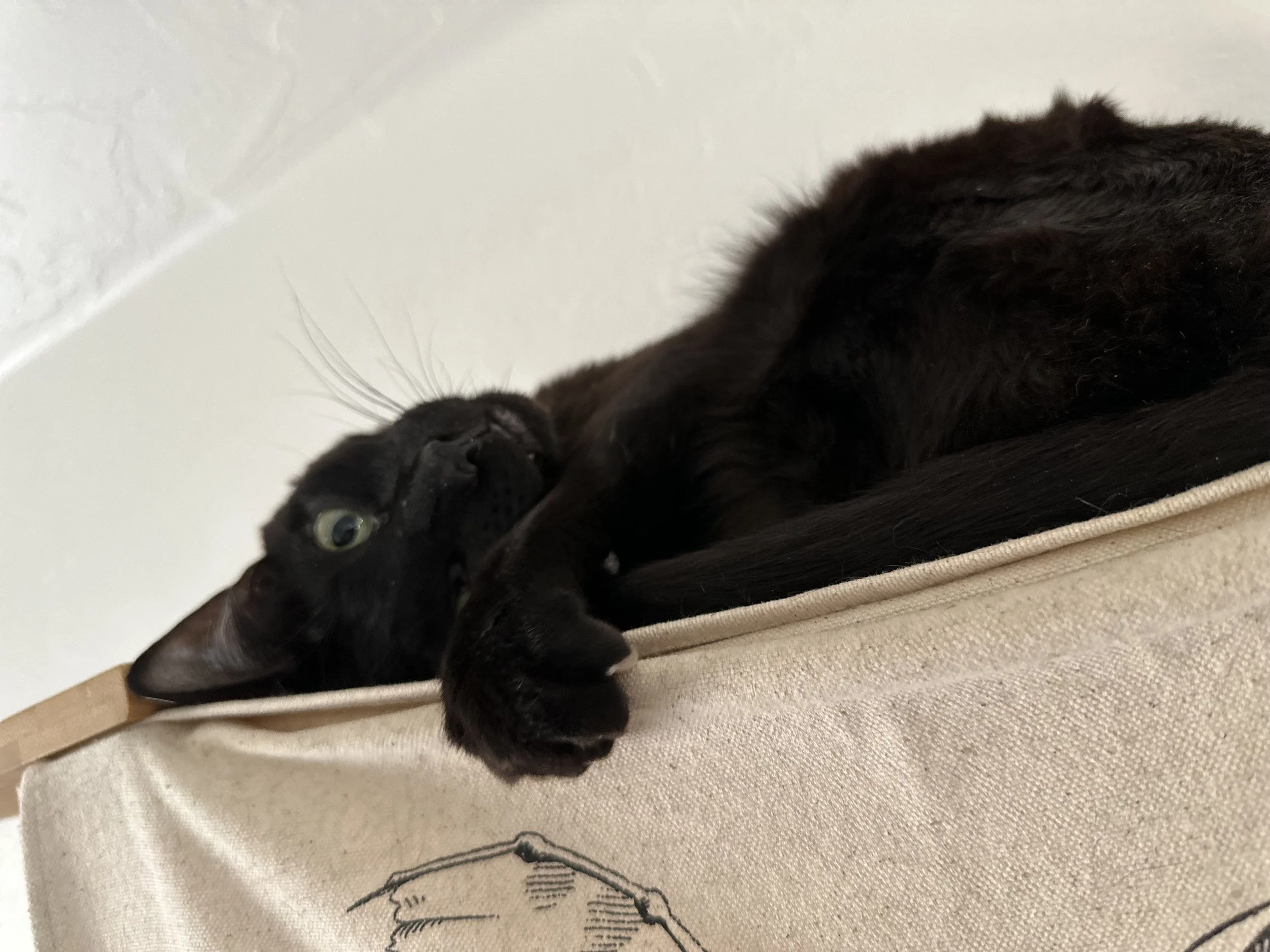
Savannah Cats on the Move: Why GPS Trackers Are a Must-Have

Savannah cats are one of the most unique and energetic breeds. Known for their striking appearance and wild ancestry, these cats are a blend of domestic cats and servals, which makes them naturally more curious and active. Their love for exploration and climbing can often lead to situations where they wander off, putting them at risk of getting lost or encountering danger. Given their energy levels, it's no surprise that Savannah cats need extra care and attention when it comes to their safety.

For owners of Savannah cats, GPS trackers for cats like the ones from Petloc8 can be a game-changer.

The Adventurous Nature of Savannah Cats

Savannah cats are not like typical house cats. They are incredibly active, playful, and highly curious. Their wild instincts make them excellent climbers and jumpers, often scaling high fences or hopping on high surfaces with ease. This breed enjoys exploring the outdoors, which can make them prone to running off or sneaking out of the house unnoticed.

Given their boundless energy and innate curiosity, Savannah cats can get into potentially dangerous situations if not monitored carefully. Whether it’s jumping over a high fence, sneaking out during the night, or venturing off into the woods, their adventurous nature can sometimes put them at risk.

Risky Scenarios for Savannah Cats

While the Savannah cat's energetic personality is one of the breed’s most charming traits, it also makes them more vulnerable. Here are a few risky behaviors that every Savannah cat owner should consider.

Escaping through high fences

With their ability to jump and climb, Savannah cats can easily escape enclosures that would typically contain other cats.


Late-night adventures

These cats are often more active at night, and they may sneak out after dark to explore their surroundings, especially if they’re not properly supervised.

Wandering into unfamiliar territories

Savannah cats' natural curiosity may lead them to unfamiliar and potentially unsafe areas, putting them at risk of getting lost or injured.


The Solution

To prevent these situations, a GPS tracker is an essential tool for any Savannah cat owner. A GPS tracker for cats is easy to use and provides several key benefits:

  • real-time location tracking;

  • safe zone alerts;

  • lightweight design;

  • waterproof feature.

These devices offer a simple, effective way to keep track of your cat's whereabouts at all times. With real-time location updates, a GPS tracker helps you quickly locate your pet if they wander off, reducing the stress and worry associated with lost pets.

Petloc8: The Perfect Tracker for Active Savannah Cats

For active and large cats like Savannahs, the Petloc8 GPS tracker offers the perfect combination of reliability and functionality. Designed with cats’ needs in mind, it’s easy to attach and doesn’t interfere with your cat’s natural behavior.

Keeping Your Cat Safe

Savannah cats are an incredible breed, but their adventurous nature means they need extra protection. A GPS tracker like the one offered by Petloc8 provides peace of mind and ensures that your curious cat stays safe, even when they’re out exploring. Don’t leave their safety to chance, invest in the right tools to protect your beloved pet.

Well that was fun…now Click on the links in the article to see where it takes you.

Until our next cat convo

-MARTIN
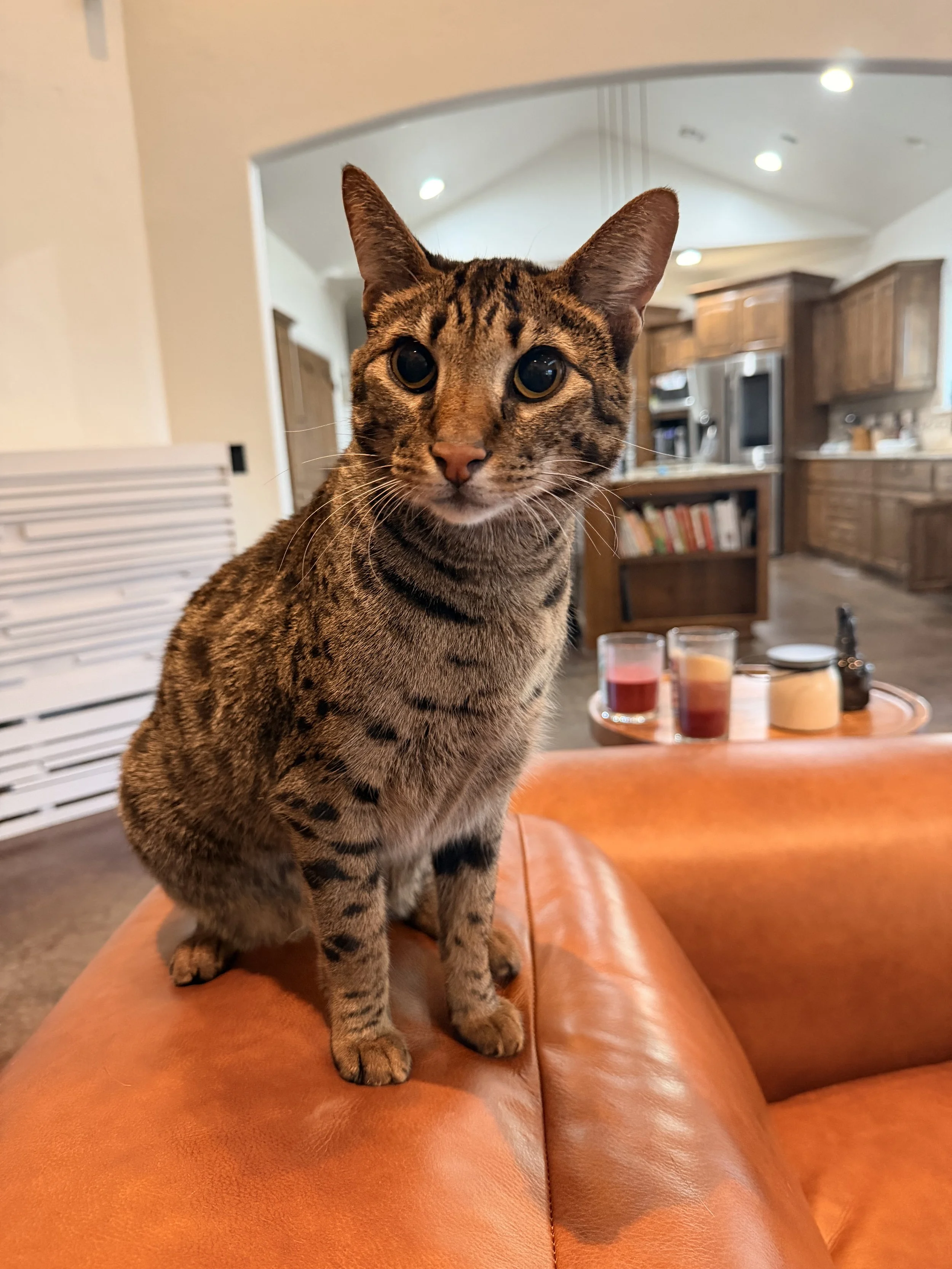
Surprising Things That Make Your Cat Bounce Off the Walls


If you live with a Savannah or any other feisty cat, you are aware that things may quickly go from peaceful to chaotic. Your cat is enjoying the sun for a moment. Then, as if spotting invisible prey under the couch, they race into the living room. These outbursts might seem random, but some surprising culprits flip that switch faster than you can say “treat.”

The Mysterious Power of Catnip

Many cat parents also wonder, can cats eat catnip, and if so, does it play a role in triggering these sudden bursts of energy? Catnip is nature’s little trickster. A chemical substance called nepetalactone binds to receptors in the cat’s nose when it is sniffed or consumed, producing a momentary euphoric effect.

Others turn into turbocharged zoomies that turn frightened humans and shredded paper into rubble, while other cats roll around in pleasure. Not every cat reacts, though — genetics decide whether your furball turns into a party animal or shrugs off the leafy green stuff like stale salad.

The Witching Hour: Nighttime Zoomies

Have you ever wondered why your cat turns into a tiny tornado at 6:00 in the evening? It’s part of their genetic composition. They tend to be most active during the times of dawn and twilight. Their predecessors hunted during these hours, taking advantage of the low light levels and the prey’s sleepiness.

Modern indoor cats still hear that ancient calling. So if your cat bolts across the hallway when you’re ready to unwind, you can blame millions of years of wild instincts urging them to “catch dinner” — even if dinner is just a toy mouse under the sofa.

Innocent Triggers: Shadows, Reflections, and Random Objects

Sometimes, the smallest thing turns an ordinary day into a feline obstacle course. A flickering shadow on the wall, a dancing laser pointer, or even a rogue hair tie can push a cat’s predator button. To you, that shiny reflection bouncing off your phone is harmless. To your cat, it’s an irresistible target demanding to be conquered.

Stories of cats launching sneak attacks on curtains or staring at invisible spots on the ceiling have baffled humans for centuries. It’s not prankish behavior — it’s essential skills for thriving in a cozy living room.

Sound Surprises: The Power of Crinkles and Clicks

There’s something about certain sounds that flips the crazy switch instantly. A crinkling bag? That’s a signal for treats, toys, or a fresh hiding spot. A pen dropping to the floor? A thrilling chance to bat it under the fridge for you to find later.

Even the soft thud of a cabinet door will put some cats on the lookout, believing that a tasty treatis imminent. They live in their world, and every sound is a new game waiting to be pursued.

When Play Becomes a Workout

Those crazy dashes and mid-air leaps do some good. Playtime is exercise in disguise. Cats often become bored or even anxiously destructive when they don’t play. Their daily “frenzies” keep them mentally and physically active.

Use that wild energy with feather wands, puzzle toys, or good old cardboard boxes. To ensure the thrill never fades, switch up the toys. In addition to being content, a weary cat will also make your furniture happy.

Conclusion

The benefits of sharing a room with a crazy cat include unexpected runs, daring leaps, and the occasional 3:00 a.m. Drag-race entertainment in the hallway. With each lightning-fast sprint, you can be certain that your cat is healthy and living life to the fullest.

The next time your Savannah flies by you like a flash, keep in mind that the magic is the craziness. When you accept the turmoil, let your wild side run wild, and laugh at the caustic outbursts, your cat can demonstrate to you how much fun life can be.

Well that was fun…now Click on the links in the article to see where it takes you.

Until our next cat convo

-MARTIN

The Curious Bond Between Cats And Horses

Have you ever noticed how horses and cats, for some reason, are getting along really well? But what’s the reason behind this strange bond?

People who spend way too much time at the stables are probably very familiar with this duo, and even if they don’t own a cat, for some reason, they will see one eventually coming up to the horses.

Unlike dogs and cats, horses have a much better relationship with them despite one being a predator and the other prey. Maybe it is a good thing that the bigger animal (the horse) is the prey, just because if it were the other way around, they probably wouldn’t have such a friendly bond.

So, while you are betting at the horse races, maybe it is time to take a much closer look on horses and try to understand their state of mind and emotional connection with other animals.

Let’s look at some data and animal behavior studies that will help us piece together this strange bond that happens in nature.

Why do horses and cats get along so well?

Shared Sensitivity

If you’ve ever owned a cat, you already know that they are like emotional antennas, picking up the vibes that most humans miss. Well, the same thing goes for horses. Although they don’t have many facial expressions or specific sounds like cats, horses are very sensitive to the energy that people or animals bring around them.

They are also both very sensitive to their surroundings, and both horses and cats can be spooked by a falling leaf from the tree.

They kind of have that energy radar that helps them to understand each other. There is scientific data from trainers that says that both cats and horses mirror each other’s calm when stress is low, using similar training tricks like slow rewards.

I’ve seen it myself: a barn cat named Whiskers would only curl up near a mare named Luna when the stable was quiet, like they had a secret pact. Their knack for reading moods builds trust, so when you see a cat chilling on a horse’s back, it’s because they’ve vibe-checked each other and passed with flying colors.

So, they are both emotional animals that feed off the energy of others, which is probably why they have a special bond in the first place.

Mutual Grooming

Horses show affection by nuzzling or scratching herd mates, while cats, on the other hand, bunt or groom to bond. So, nothing says “we’re friends” like a horse nibbling a cat’s fur or a cat head- butting a horse’s muzzle.

They help each other. We’ve seen cats that are grooming horses’ necks, while for the horses is a bit more difficult since they have to be gentle due to their size, but most of them slowly touch the cats. This back-and-forth isn’t random, and it is their way of saying “You’re my friend”.

If you want to see this friendship in action, peek into a barn during feeding time, and you can see both of these animals sharing their food and snacks.

Complementary Roles

Cats and horses are the ultimate barn tag team. Cats earn their keep by hunting mice that raid feedbags, protecting horses from disease-carrying pests.

In return, horses offer cats a warm, safe perch—literally, their backs—or a cozy stall to nap in. In South Africa, 13 feral cats relocated to a Noordhoek stable in 2025 thrived alongside horses, with the equines staying chill as cats prowled.

It’s a win-win: cats get a kingdom; horses get a cleaner home. Hang out at a working farm, and you’ll see this partnership humming, with cats patrolling and horses grazing like it’s no big deal.

Non-Competitive Chill

Unlike dogs, who might chase or bark and stress a horse out, cats are low-key enough to mesh with equine energy.

Horses, as herd animals, crave calm companions, while cats, despite their solo rep, can be social without being pushy. Their size difference—cats tiny, horses huge—means no one’s fighting for dominance. I’ve watched barn cats weave between hooves without a flinch, and the horses just keep grazing. Drop by a pasture at dusk, and you’ll spot cats lounging near horses, both totally at ease, like roommates who never argue.

Earned Trust

Cats and horses don’t hand out trust like candy—you’ve got to earn it, and they respect that about each other. Both are wary by nature: horses as prey animals, cats as cautious predators.

They bond through slow, deliberate steps, like a horse lowering its head to sniff a cat or a cat approaching only when the horse seems relaxed.

This trust is why you’ll see cats fearlessly curl up in stalls or horses stand still as kittens climb them. Spend time at a barn, watch their patient dance, and you’ll get why their friendship feels like a quiet, hard-won victory.

Final Words

So, there isn’t any scientific data that explains why horses and cats bond so well. Maybe it is all because they are both emotional animals. On top of that, horses aren’t aggressive animals, and cats love not being chased all the time.

Plus, the size difference makes sense, since horses are not predators, and cats cannot show their dominance since they are much smaller, so they decide to play friendly.

Well that was fun…now Click on the links in the article to see where it takes you.

Until our next cat convo

-MARTIN