Pet Portrait Painting: A Sign of an Unconditional Love for Your Pet

There's more to a pet portrait painting than just looking nice on the wall. It's a quiet way to say that the bond you have with your pet should be remembered, honored, and celebrated. By ordering a portrait that is made by hand, you are saying something simple but profound: this little life matters, and it always will. This is one of the most beautiful ways to show unconditional love.

Why Does a Painting Say What Words Cannot?

Our pets give us a lot and don't ask for much. These people meet us at the door, cuddle up next to us on bad days, and love us no matter what. A painting shows how you feel, while a photograph shows a moment. The artist's brush draws out the tilt of a head, the sparkle in the eyes, and the unique traits that made your pet clearly yours. Painting portraits is so moving because they show not just how your pet looked but also how it felt to love them.

Along with meaning, paintings have something that quick snapshots don't usually have. It takes thought, time, and care to decide to have a portrait made. The investment is like the relationship itself: it was built slowly, over many small acts of trust and affection.

A Tribute That Lasts a Lifetime

We wish our pets could stay with us longer, but they can't. When someone dies, a portrait is a way to keep their spirit alive in your home. Having a familiar face watch over the living room or hallway can bring a lot of comfort to pet owners. When you give your grief a place to rest, it gets easier. A beautiful painting does just that by reminding you every day of joy instead of loss.

A portrait helps you remember the good times you have with your pets while they are still alive. You'll want to go back to that time in your life years from now, when the puppy's energy has worn off or the kitten has grown into a proper cat. No matter what, the painting will be a family heirloom that is passed down and smiled at: "That was our dog, the best dog who ever lived."

The Personal Touch of Custom Art

The unique thing about a custom portrait is that it can be made just for you. There are many styles to choose from, such as classic and royal, soft and painterly, bold and modern, or even fun and silly. Some pet owners love a portrait that looks just like their pet, while others love one that dresses their pet up as royalty or puts them in a magical, dreamlike world.

This is where a studio that cares makes all the difference. Brands like Pawstro are experts at transforming a simple photo into a unique work of art. They use your favorite picture of your pet to create something that looks and feels just like your pet. The fact that it wasn't mass-produced means that it was made with your pet in mind, which is what makes it so meaningful.

A Meaningful Gift for Fellow Animal Lovers

There is no better gift than a portrait of a pet for someone you care about deeply. It shows you know how much their friend means to them. Having a piece of art that honors a loved animal on a birthday, holiday, adoption anniversary, or "gotcha day" makes the event more special.

When someone dies, portraits make very moving gifts. A painting can bring comfort to a friend or family member who has lost a pet that flowers or cards just can't. Feeling supported in their grief and knowing that their pet's life is remembered is important. People who feel that way remember it long after the event is over.

Bringing Warmth Into Your Home

A painting of your pet not only makes you feel better, but it also gives any room real character. It makes people want to talk, looks nice, and makes a room feel warm. Guests will notice, and you can tell them about your friend's fur, feathers, or scales. There is literally nothing else like a portrait of your pet in the world. It can't be replaced by generic prints or art from the store.

It also shows what you stand for and who you are. When you decorate your home with pictures of the animals you love, it feels real, like it was lived in.

Honoring a Love That Asks for Nothing in Return

A pet portrait is really a celebration of love that doesn't depend on anything, the kind of love that animals seem to be able to give so freely. You complete the circle by giving one a job. They love you without judging you, and you love them so much that you want to make art about them.

So, whether your pet is sleeping at your feet right now or will only live on in your memories, you might want to honor them in a way that will last. It's not possible to paint every wag, purr, or chirp, but the love can be shown. In the end, that's all that matters.

Well that was fun…now Click on the links in the article to see where it takes you.

Until our next cat convo

-MARTIN

Why Quality Ingredients Make All the Difference in Pet Nutrition

Have you ever thought about how much your pet’s food affects their health and happiness? 

Just like humans feel better when eating fresh, nourishing meals, pets also thrive when their food is made with the right ingredients. 

The quality of what goes into their bowl plays a big role in their energy, coat shine, digestion, and even their mood.

The Link Between Ingredients and Pet Health

The nutrients your pet gets come directly from the ingredients in their food. High-quality ingredients offer natural vitamins, minerals, and proteins that keep their body strong. 

Poor-quality ingredients may not provide the same level of nutrition, which can impact how they feel and look. Choosing acana dog food made from fresh, natural, and wholesome ingredients helps your pet stay active, happy, and healthy.

How Nutrients Work Together

Protein supports muscle strength, healthy fats keep the skin soft and coat glossy, and carbohydrates provide lasting energy. 

Vitamins and minerals strengthen the immune system, while antioxidants protect the body from everyday stress. When all these nutrients are balanced in the right way, pets enjoy better health and more energy to play and explore.

Benefits of Real Meat in Pet Food

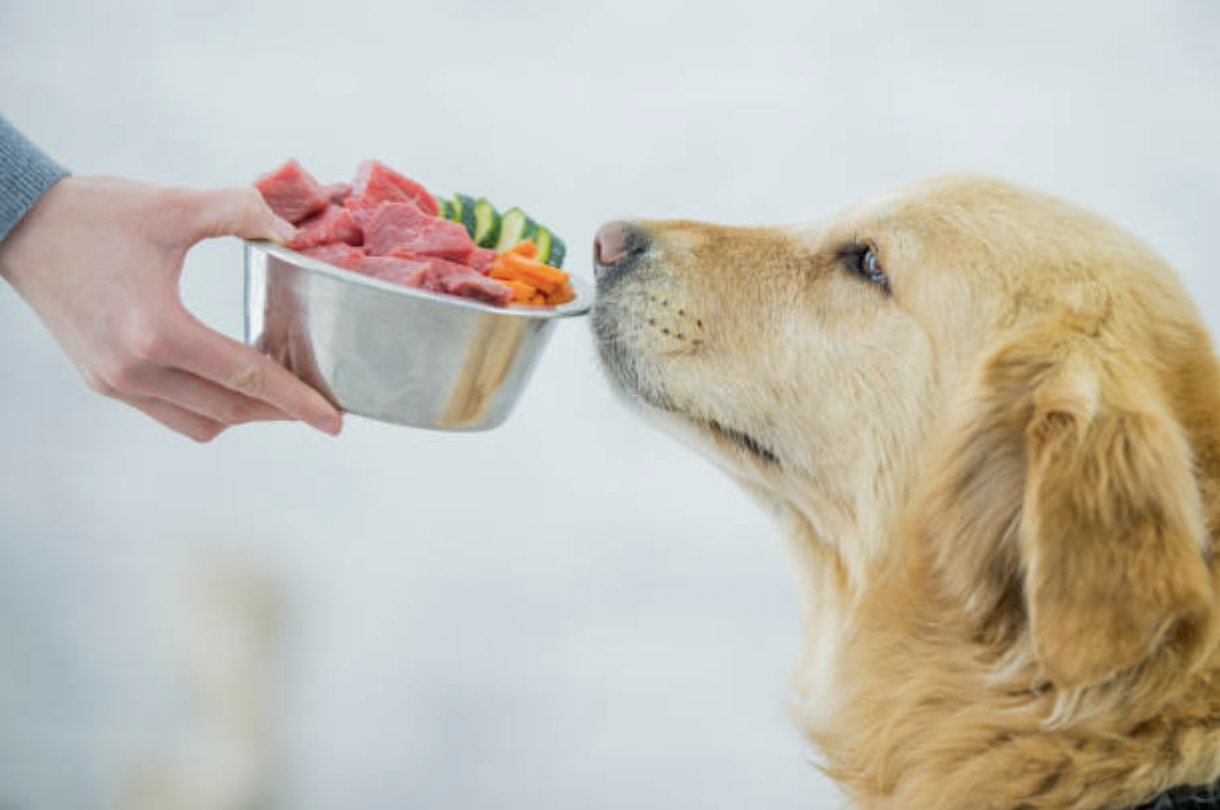
One of the most important parts of pet nutrition is protein quality. Real meat, like chicken, beef, lamb, or fish, is a rich source of amino acids that pets need for growth and repair. 

Fish-based proteins also add omega-3 fatty acids, which support joint health and keep the coat shiny. Choosing food with real meat as the first ingredient ensures your pet is getting the nutrition their body can use effectively.

Why Meat Quality Matters

High-quality meat is more digestible, meaning your pet can absorb and use the nutrients better. It also provides more natural flavor, making mealtimes something they look forward to.

Fresh Vegetables and Fruits for Natural Goodness

Vegetables and fruits in plaque off powder dogs offer natural sources of fiber, vitamins, and antioxidants. 

Ingredients like carrots, blueberries, sweet potatoes, and spinach help keep digestion smooth and the immune system strong. They also provide important plant-based nutrients that work alongside proteins and fats to support complete health.

Fiber for Digestion

Fiber from vegetables and fruits helps maintain a healthy gut. A balanced gut leads to better nutrient absorption and more consistent energy levels.

Healthy Fats for Energy and Shine

Fats are not just a source of energy; they also keep your pet’s skin hydrated and coat looking silky. Healthy fats like fish oil, flaxseed, and chicken fat are packed with omega fatty acids that improve skin condition and add a natural shine to the coat. The right balance of fats also supports brain health and overall vitality.

Whole Grains for Balanced Nutrition

Whole grains like brown rice, oats, and barley provide steady energy and support digestive health. They are rich in fiber and essential nutrients, helping to keep your pet satisfied between meals. Unlike fillers, whole grains contribute real nutritional value.

Importance of Natural Preservation

Pet food made with natural preservatives like vitamin E or rosemary extract stays fresh without unnecessary additives. This means your pet enjoys the benefits of wholesome ingredients without exposure to artificial chemicals. Freshness also keeps the taste appealing, encouraging healthy eating habits.

Avoiding Unnecessary Fillers

While every ingredient in quality pet food serves a purpose, some foods add unnecessary fillers that provide little to no nutrition. Choosing a formula with nutrient-rich ingredients ensures that every bite your pet takes is doing something good for their body.

How to Spot Quality Ingredients on Labels

When looking at a pet food label, the first few ingredients tell you a lot about its quality. Real meat, whole grains, and fresh vegetables should be at the top of the list. Avoid products where the main ingredients are vague or overly processed. A clear ingredient list reflects transparency and quality.

Tailoring Ingredients to Your Pet’s Needs

Every pet is unique. Some may benefit from grain-free recipes, while others need food rich in omega-3s for skin health. Puppies, active adults, and seniors all have different nutritional needs. Choosing quality ingredients suited to their life stage ensures they get the exact nutrition they require.

Long-Term Benefits of Quality Ingredients

Feeding your pet food made with quality ingredients is an investment in their long-term health. Better nutrition leads to a shinier coat, stronger muscles, improved digestion, and more playful energy. It also supports a stronger immune system, helping them stay healthy year after year.

Conclusion

Quality ingredients truly make all the difference in pet nutrition. They provide the essential building blocks for a healthy body, an active lifestyle, and a happy spirit. By choosing food made with real meat, fresh vegetables, healthy fats, and natural nutrients, you’re giving your pet the best chance to thrive at every stage of life.


Well that was fun…now Click on the links in the article to see where it takes you.

Until our next cat convo

-MARTIN

How to Introduce Variety Without Overwhelming Your Pet

Ever wondered if your pet gets bored of eating the same food or playing the same games every day? 

Just like us, pets enjoy a little change now and then. But the trick is doing it without stressing them out. 

So how do you bring in variety—whether it’s food, toys, or routines—without overwhelming your furry friend?

Let’s break it down in a way that keeps your pet happy, relaxed, and curious in all the right ways.


Why Variety Is Good for Pets

Pets love routine, but they also enjoy a bit of fun and surprise. Switching things up once in a while can be good for their health and happiness. It helps with mental stimulation, reduces boredom, and even keeps their senses sharp. Whether it’s a new toy, a different walking path, or a fresh treat, small changes can spark excitement in their day.

For pets that stay indoors a lot, variety helps prevent boredom-related behaviours like chewing furniture or scratching things they shouldn’t. For pets that love the outdoors, it can make daily activities like walks or training more engaging.

Start Small and Observe

The key to adding variety is going slow. Animals, like people, take time to adjust to new things. Sudden changes might make them anxious or even cause them to avoid something they usually enjoy.

Start by making small adjustments. 

For example, if you’re trying new food, mix a little bit with their regular meal. If it’s a new toy, introduce it during a play session they already enjoy. Watch how your pet reacts. If they seem interested and calm, you’re on the right track. If they avoid it or act unsure, give them a bit more time.

Food Variety Without Upsetting Their Tummy

Changing a pet’s food too quickly can sometimes cause stomach discomfort, so always introduce new food slowly. Mix a small portion of the new food with their regular meal and gradually increase it over a few days.

You can also add safe toppers like a spoonful of plain yogurt, steamed veggies, or shredded chicken to their existing food for variety. Make sure the ingredients are pet-friendly and don’t contain anything harmful. Always check with your vet before giving them something new, especially if your pet has any allergies.

Snacks are another easy way to bring in variety. Try different textures and flavours in small amounts. Just be sure to keep it balanced so treats don’t replace their regular meals. Similarly, balance matters in your online presence too, knowing how to remove negative content & information from Google can help you maintain a healthy digital reputation, just like you would for your pet’s health.


Change Playtime Without Losing Routine

Playtime is a great opportunity to introduce new things without disrupting your pet’s routine. Instead of changing everything at once, rotate their toys every few days. This keeps the toys feeling fresh without overwhelming them.

You can also bring in toys that engage their senses. Some pets love toys with different sounds, scents, or textures. Just make sure each new toy is safe for its size and chewing style.

Interactive play like fetch, tug, or puzzle toys also adds variety to the way your pet uses their mind and body. They love the attention and stimulation, and it keeps them happy without making things complicated.

Exploring New Environments the Easy Way

Pets benefit from exploring new places, but it’s important to do this calmly and positively. For dogs, this could be as simple as walking in a different direction, visiting a new park, or letting them sniff around new areas. For cats, try placing a new scratching post, climbing tower, or window perch in a different spot in your home.

If you’re taking your pet to a new place, bring something familiar like their blanket or favorite toy. This gives them a sense of comfort and helps them feel safe while they take in new sights and smells.

Always let them set the pace. Some pets will jump right into exploring, while others might take it slow. Either way is fine, your job is to give them the space and time to enjoy it.

Keep Routine as the Foundation

Even though variety is great, your pet still needs a steady routine. Feeding times, potty breaks, and bedtime should stay predictable. A solid routine helps pets feel secure, especially when you’re introducing new things. It’s like giving them an anchor so they’re not overwhelmed by change.

Think of it this way, routine provides the structure, and variety adds the fun. When both are balanced, your pet feels confident and curious at the same time.

Use Positive Reinforcement

When you introduce something new, always use positive reinforcement. Give them praise, pets, or a small treat when they explore or try the new item. This makes the experience fun and helps your pet build positive associations with new things.

Over time, they’ll become more open to change because they know good things follow. This is especially helpful for shy or sensitive pets who might take longer to warm up to something different.

Match Variety With Your Pet’s Personality

Not all pets enjoy the same types of variety. Some are adventurous and love every new toy or snack you offer. Others prefer familiarity and might need more time with new things. That’s okay.

Pay attention to how your pet responds and tailor the changes to suit their comfort level. If your dog gets super excited about walks, you can switch routes often. If your cat loves quiet playtime, try new feather toys or a different hiding box instead of noisy gadgets.

The goal is to keep things interesting, not to overwhelm them. So, always go at their pace and choose things that match their energy and personality.

Add Variety to Training and Learning

Training is another way to add positive variety to your pet’s life. You can teach them new tricks or commands using rewards. This keeps their mind active and helps them bond with you. Try practicing tricks in different parts of the house or during walks. Small changes in the setting can make it more fun.

You can also introduce simple problem-solving games or nose-work challenges using treats or toys. These keep your pet engaged and can be a fun break from the usual play. Just like pets benefit from new forms of engagement, platforms like CloutRep help individuals and professionals stay visible and active in the digital space, showcasing personality, skills, and presence in fresh, creative ways.

Wrapping It Up

Bringing variety into your pet’s life can be a wonderful way to keep them happy, healthy, and mentally sharp. The secret is to start small, stick to routines where it matters, and match new experiences with what your pet enjoys most. With a little care and attention, you can keep life exciting for your furry friend—without any stress. They’ll thank you for it in tail wags, purrs, and plenty of cuddles.

Well that was fun…now Click on the links in the article to see where it takes you.

Until our next cat convo

-MARTIN

Dogs vs. Cats: 5 Foods They Can’t Eat

Pet owners often wonder what human foods are safe to share with their furry companions. While some foods provide beneficial nutrients, others can be harmful or even deadly to dogs and cats. Since their digestive systems differ from ours, it’s crucial to know which foods to avoid and which are safe in moderation.

In this article, we’ll cover five common foods that dogs and cats should never eat, as well as a few that are surprisingly safe. We'll also explore whether dogs and cats can eat radishes, applesauce, and edamame.

1. Chocolate: A Toxic Treat for Both

Chocolate is one of the most well-known toxic foods for dogs and cats. It contains theobromine and caffeine, both of which can cause serious health issues. Dogs are particularly vulnerable because their bodies metabolize theobromine slowly, leading to symptoms like vomiting, diarrhea, tremors, seizures, and even death in severe cases.

Cats are less likely to consume chocolate due to their more selective eating habits, but if they do, the consequences can be just as dangerous. Dark chocolate and baking chocolate contain higher levels of theobromine, making them especially hazardous.

Tip: Keep all chocolate products out of reach of pets, including baked goods, candy, and cocoa powder.

2. Grapes and Raisins: A Hidden Danger

Grapes and raisins are extremely toxic to dogs, even in small amounts. They can cause sudden kidney failure, leading to vomiting, lethargy, loss of appetite, and severe dehydration. Some dogs may be more sensitive than others, but it’s best to avoid giving any grapes or raisins altogether.

While cases of grape toxicity in cats are rare, it's still best to keep them away to prevent any potential health risks.

Tip: If your pet accidentally eats grapes or raisins, seek veterinary help immediately. There’s no known safe amount, and quick intervention can make a difference.

3. Onions and Garlic: Harmful to Red Blood Cells

Onions, garlic, and other members of the allium family (such as leeks and chives) are toxic to both dogs and cats. These foods can damage red blood cells, leading to anemia. Symptoms may include weakness, pale gums, increased heart rate, and lethargy.

Cats are especially sensitive to onion and garlic toxicity, even in small amounts. In dogs, regular consumption over time can lead to cumulative damage.

Tip: Many processed foods, including soups and baby food, contain onion or garlic powder. Always check ingredient labels before sharing food with your pet.

4. Dairy Products: Not Always a Good Idea

While some pets tolerate dairy products, many dogs and cats are lactose intolerant. This means they lack the enzyme needed to properly digest lactose, leading to digestive upset such as diarrhea, bloating, and gas.

Cheese and yogurt contain lower lactose levels and may be safe in small amounts for some pets. However, high-fat dairy products can also contribute to obesity and pancreatitis.

Tip: If you want to offer your pet dairy, opt for lactose-free options or consult your vet for safer alternatives.

5. Xylitol: A Deadly Sweetener

Xylitol is a sugar substitute commonly found in sugar-free gum, candies, peanut butter, and some baked goods. It is highly toxic to dogs, causing rapid insulin release, leading to hypoglycemia (low blood sugar), seizures, liver failure, and even death.

Cats seem to be less affected by xylitol toxicity, but it’s still best to keep all products containing this ingredient far out of reach.

Tip: Always check ingredient lists before giving your pet any processed foods. If your dog consumes xylitol, seek veterinary attention immediately.

Safe or Not? Exploring Radishes, Applesauce, and Edamame

Pet owners often wonder about less common foods, such as radishes, applesauce, and edamame. Let’s break down whether these are safe for dogs and cats.

Can Dogs Eat Radishes?

Yes, dogs can eat radishes in moderation. Radishes are non-toxic and contain fiber, vitamin C, and potassium, which can be beneficial for digestion and overall health. However, some dogs may not like the spicy taste, and excessive amounts could cause mild stomach upset.

For cats: While radishes aren’t toxic to cats, they aren’t a natural part of their diet and may cause digestive issues if consumed in large quantities.

Can Dogs and Cats Eat Applesauce?

Dogs can eat plain, unsweetened applesauce in small amounts. It provides some fiber and vitamins but should be given in moderation due to its sugar content. Avoid applesauce that contains added sugar, artificial sweeteners, or cinnamon, as these can be harmful.

Cats, on the other hand, don’t need applesauce in their diet, but a tiny amount won’t harm them. Just ensure it’s free of added sugars or artificial ingredients.

Can Dogs and Cats Eat Edamame?

Edamame (young soybeans) is safe for dogs in small amounts. It’s packed with protein, fiber, and omega-3 fatty acids, which can benefit their health. However, edamame should be plain, without added salt, seasoning, or soy sauce.

Cats can also eat small amounts of plain edamame, but since felines are obligate carnivores, they don’t require plant-based proteins. Some cats might experience mild digestive upset after eating edamame.

Tips for Feeding Pets Safely

  1. Introduce New Foods Slowly – If you want to try giving your pet a new treat, start with a small amount and monitor for any signs of an upset stomach.

  2. Avoid Highly Processed Foods – Many human foods contain artificial sweeteners, preservatives, and high sodium levels that can be harmful to pets.

  3. Check with Your Vet – When in doubt, consult your veterinarian before introducing new foods into your pet’s diet.

  4. Keep Toxic Foods Out of Reach – Be mindful of what’s accessible to your pet, especially during meals or holiday gatherings.

  5. Stick to a Balanced Diet – While occasional treats are fine, your pet's main nutrition should come from high-quality pet food formulated for their species.

Final Thoughts

Knowing which foods are safe and which ones to avoid can help you keep your furry friends healthy and happy. While some human foods, like applesauce and edamame, can be safe in moderation, others, such as chocolate, onions, and xylitol, are dangerous for both dogs and cats.

When in doubt, always check with a veterinarian before sharing your food with your pets. By making informed choices, you can ensure your dog or cat enjoys a nutritious and safe diet for years to come.

Well that was fun…now Click on the links in the article to see where it takes you.

Until our next cat convo

-MARTIN

Give Your Cat a Safe Haven

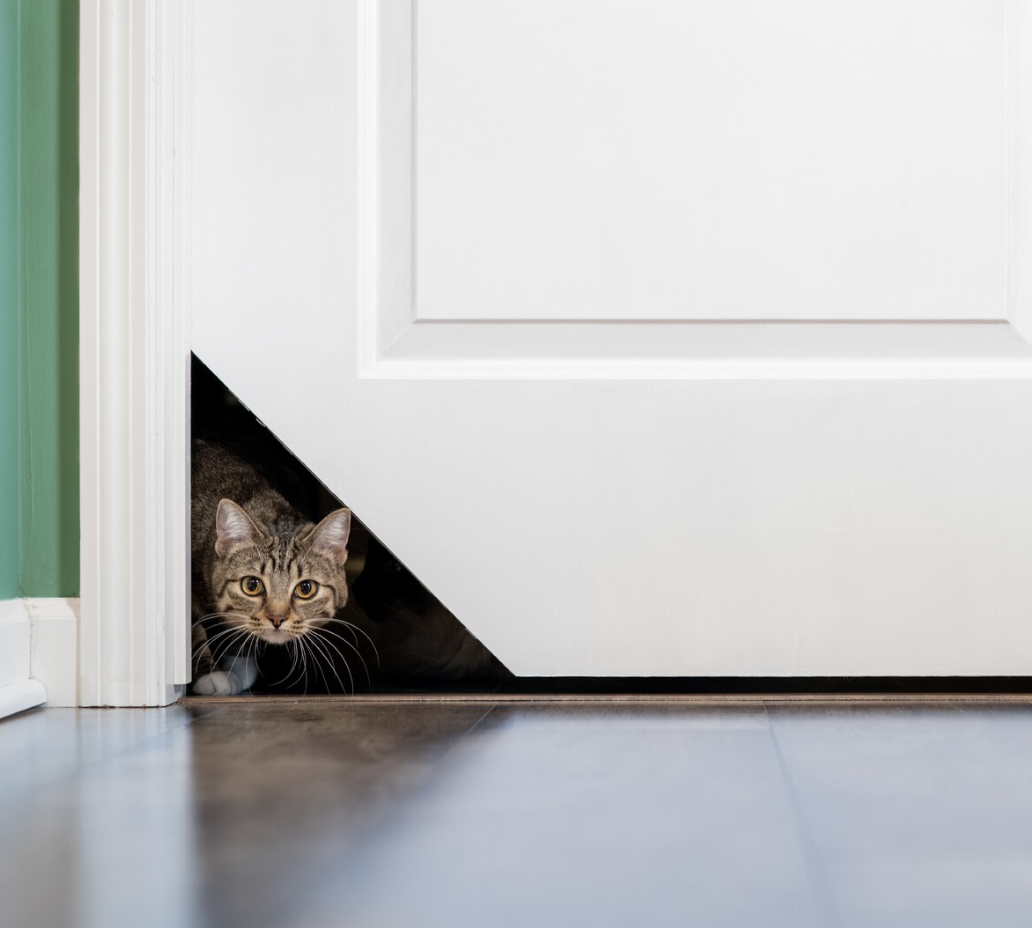
If you share your home with both dogs and cats, you know how important it is to create a safe space for your feline friend. Over the years, I’ve tried many other products, but none have worked as well as this one. Whether it’s a peaceful place to nap, an stress-free mealtime, or an escape from a playful pup, cats need their own sanctuary. That’s where this pet door comes in—a simple yet ingenious solution that allows your cat to access a safe space while keeping dogs out!

Why Every Multi-Pet Household Needs a Kitty Korner® Cat Door

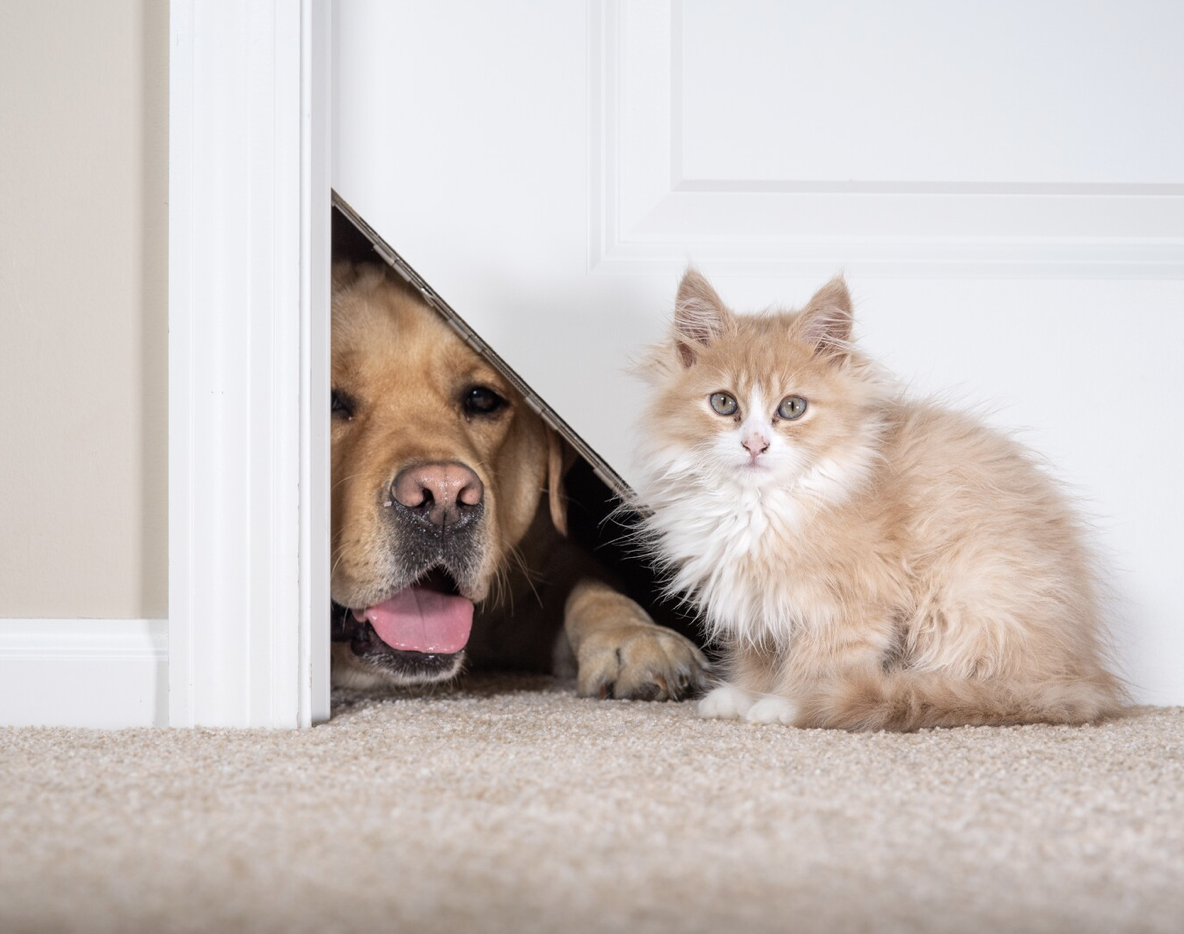
Cats crave security, and sometimes they need a break from their canine housemates. This simple to install pet door corner is designed to give your cat exclusive access to areas where they can relax, eat, and use the litter box in peace. While some pet doors require major modifications, this one does require a small cut into the door but offers a clean and discreet installation.

Key Benefits of the Kitty Korner® Cat Door

Keeps Dogs Out – Large dogs (or even small, nosy ones) won’t be able to squeeze through, allowing your cat to have a private retreat.
Easy Installation with Minimal Tools – Installs on the hinge side of any interior door with minimal tools required—simple setup without major modifications.
Preserves Privacy for Litter Boxes & Food Areas – Ideal for keeping litter boxes and feeding stations dog-free, reducing mess and stress.
Adjustable & Removable – Works with most doors and can be taken off or adjusted as needed.
Encourages Harmony – Helps prevent tension between pets by giving your cat a dedicated escape route.

A Perfect Addition for Savannah Cat Owners

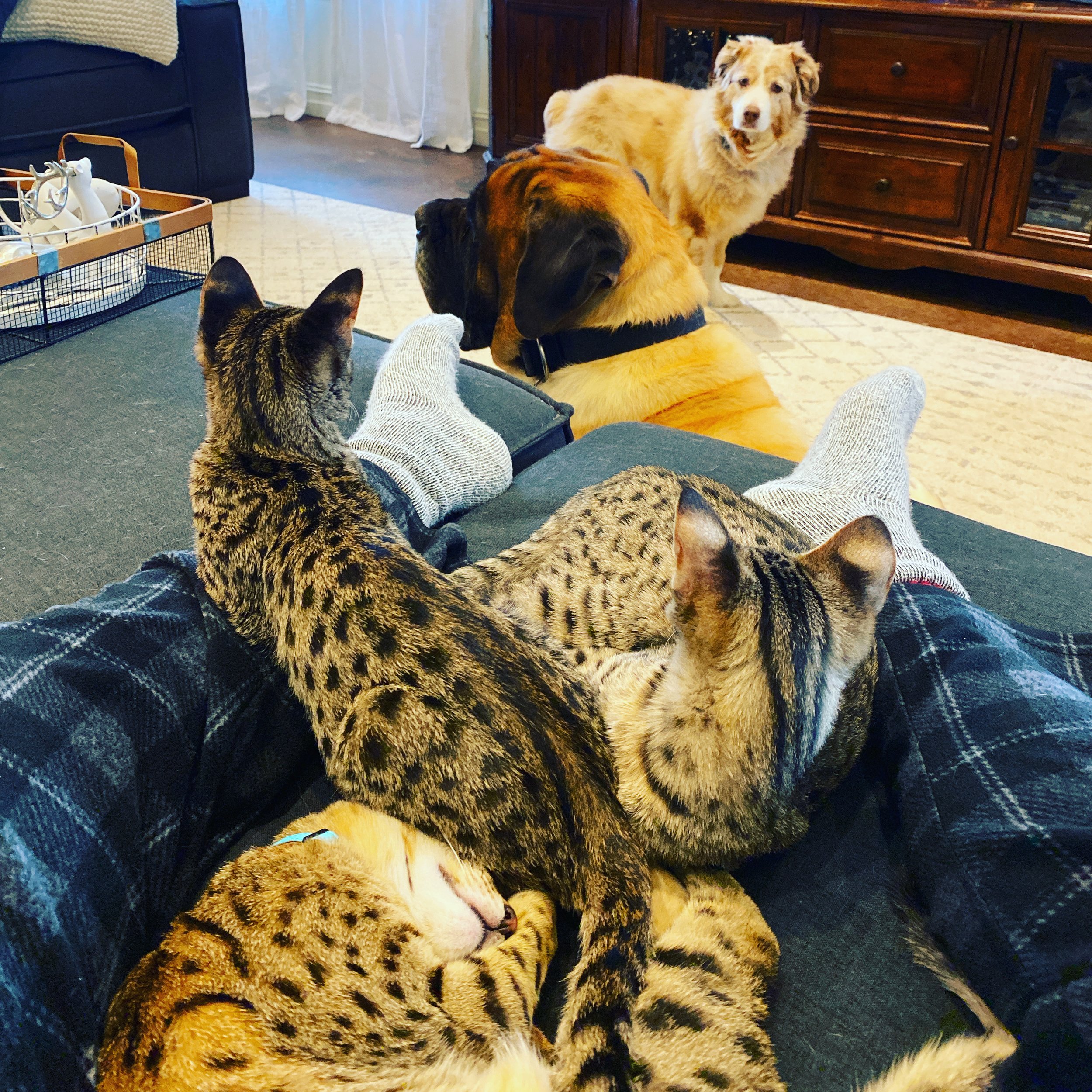
At A1Savannahs, we know that Savannah cats are intelligent, active, and sometimes prefer their own space. This cat door is a fantastic way to give them access to high-energy play areas while maintaining their privacy when needed. Whether you have a curious kitten or a full-grown Savannah, this cat door helps create a balanced and happy multi-pet home.

Make Life Easier for You and Your Pets

If you’ve been struggling to keep your dog out of the cat’s food or litter box, or if your feline friend just needs a quiet place to retreat, this pet door is the answer. It’s an effortless, non-invasive way to enhance your pet’s comfort and your home’s harmony.

Give your cat the freedom they deserve while keeping peace in your multi-pet household. Order your Kitty Korner® Cat Door today!

Well that was fun…now Click on the links in the article to see where it takes you.

Until our next cat convo

-MARTIN

Decoding Your Pet’s Body Language – What Is Your Cat or Dog Trying to Tell You?

Ever been confused by your pet? The chances are high, especially if you’ve not had your pet for long and are still getting used to their quirks. Both cats and dogs have their unique ways of communicating with you and other animals, with their body language a key part of this. They may bark or meow, but when they aren’t making a noise, the way they stand, sit or behave can give subtle hints of what is going on.

As sometimes this can mean a potential issue such as with their health or if they are feeling anxious, it’s important to pick up on their body language and understand different things. To help, below are a few of the signs to look for and what to do if they are acting unusually.

Cat Body Language

Cats can be much more subtle when compared to a dog communicating, but there are a few ways they will change depending on how they are feeling:

● Tail movement – a cat’s tail can be very expressive, so you will notice different movements and shapes such as a question mark in the air to being straight behind them, upright, or even tucked underneath their body. They may also twitch their tail or heavily swish it. All can mean different feelings from friendly and playful, to agitated or worried.

● Ear positions – some cat breeds will move their ears to also express how they are feeling. If they are upright and pointing forward they will feel relaxed, but if turned in or turned back flat, this can indicate something’s caught their interest or a problem.

● Eyes – As they are usually the first thing you may see, cat’s eyes have different shapes and movements to express their feelings. From squinting to slow blinking, as well as wide-eyed and enlarged pupils, you’ll know when your cat is happy or less so.

● Whiskers – Whilst not as obvious as the others, their whiskers can also indicate whether happy or scared. Usually, this will be in combination with their eyes, ears and tail, but you may notice whiskers pulled back on their face or even fanning forward.

● Body stance – How your cat is moving or sitting can be a clear indicator of something going on. If they seem alert or anxious, their posture won’t appear as relaxed.

Dog Body Language

Dogs can be very expressive and more vocal than cats whether excited, playful or angry, so noticing the differences can help you understand them:

● Tail wagging – a happy dog will wag its tail, but how it moves this, and the speed can mean different things. The shape of the tail is also a key sign of how your dog is feeling. Fast wagging when playing or welcoming you is a good sign, whilst a tail tucked in can mean they are nervous or worried. Similarly, a tail straight up will mean they are alert.

● Posture – Like a cat, if they are comfortable they will be sitting or standing normally, but when worried they may have a lower posture. If playful, they may stand with their bottom in the air and their front legs on the ground, but when anxious they may be making themselves small.

● Ears – A dog’s ears will move around in different positions depending on the situation, and each breed will differ on how this looks due to either having small ears or large hanging ears. They should appear normally if relaxed but may point straight up or forward when alert, or be folded back if worried.

● Facial expressions – Dogs will pant to cool down, so this is normal when active after running around or even when sitting relaxed. Their mouth will be open and their tongue hanging out, but if their lips are curled and teeth are showing, they will be feeling less than friendly. Their facial movements along with posture and tail movement can all combine together to show how they are feeling.

I’s important to look at each of these things together in context of their general behaviour. Their whole body will indicate how they are feeling rather than just the ears, tail or eyes. It can also be easy to misinterpret your cat or dog’s body language when not looking at the whole picture, so being able to spot signs of stress or discomfort is important. Speaking to your vet can be a good idea if something doesn’t seem right.

If your cat or dog is behaving differently and showing signs of stress when there is no clear reason why, your vet will be able to look into this further. Sometimes it could be a behavioural problem instead of them being unwell. Having pet insurance that covers behavioural treatment as well as emergency care can mean if you do need to speak to an animal behaviourist, you can get coverage to help them. If they are in pain or discomfort, you can cover the vet fees for any emergency appointment or treatment to help them feel their normal self again.

How to Tell if They Are Under Stress or In Discomfort

A dog wagging its tail or a cat purring isn’t always a sign of them being relaxed. Similarly, if they are showing their belly whilst lying on their back, they are not always inviting you to give a belly rub. Cats and dogs can be difficult to understand, but there are some obvious signs something is wrong:

Cats:

● A cat may crouch or tuck their tail when feeling anxious or stressed, keeping their body close to the ground. If feeling very unhappy, their posture may change to being very tense and arching their back to appear larger.

● If feeling scared, their tail will be tucked close to them but may also flick to express annoyance.

● Their eyes may be wide and have larger pupils, and their ears will be pointed and facing outward. Their whiskers will appear flat on their face too.

Dogs:

● A dog feeling stressed or unhappy may have a low or tucked tail between their legs or they may also be slowly wagging their tail to indicate feeling worried or anxious.

● Their body will appear tense and either be trying to be small and low, or they may freeze when standing. They may also look away from you and avoid eye contact when feeling unhappy.

● They may show their teeth and curl their lip when feeling very unhappy, which can be accompanied by being more vocal like growling or barking.

There will be other behaviours such as hiding or running away or even clear discomfort like limping that can indicate an issue too. This may be with other symptoms, so as mentioned, it’s important to look at their whole body and the context of the situation. That way, you can understand why they might be feeling happy or unhappy, whether it’s from meeting new people or other animals, or if they are acting unlike their usual selves.

Learning How Your Pet Reacts To Different Situations

If pet ownership is new to you, it can take time to pick up on all the different ways your dog or cat behaves. Eventually, you will be able to tell when your pet is feeling relaxed and happy and when it isn’t. This gets easier with time and also when your pet is experiencing new situations.

Maybe they are meeting your friends and family from outside of your household for the first time – keep an eye on how their behaviour may change and if they seem ok or more anxious. With a dog, if taking them for a walk, take note of how they react to strangers or other animals they may encounter. Again, you’ll notice if anything is different to their usual behaviour.

Naturally, some breeds are more sociable than others and their upbringing as a puppy or kitten will influence how they behave too. If you see a change in body language and you are not sure what the issue may be, speak to your vet – they’ll be able to offer peace of mind that it isn’t something more serious such as illness or injury, and offer further expert advice.

Well that was fun…now Click on the links in the article to see where it takes you.

Until our next cat convo

-MARTIN

The Little Luxuries That Make Life Better for You and Your Dog

Life with a dog is filled with joy, companionship, and shared adventures. Adding a touch of luxury to your dog’s routine not only enhances their well-being but also improves your quality of life. From high-quality accessories to thoughtful experiences, there are many ways to spoil your furry friend while creating a more comfortable and enjoyable life for both of you.

Elevate Your Walks with the Right Gear

Daily walks are one of the most important activities you share with your dog. Investing in the right accessories can make these outings more enjoyable for both you and your pup.

The Perfect Leash

A well-made dog leash is more than just a functional tool—it’s a reflection of your style and a key to maintaining control during walks. Look for a leash that offers durability, comfort, and an ergonomic grip. Features like reflective stitching can also add an element of safety for evening strolls. A stylish yet sturdy leash ensures that every walk feels like a luxury experience.

Comfortable Harnesses

A high-quality harness provides better support and reduces strain on your dog’s neck compared to traditional collars. Opt for a harness made from soft, breathable materials that prevent chafing. Adjustable straps ensure a snug fit, making walks more enjoyable for both of you.

Portable Water Bottles

Stay hydrated during long walks with a portable water bottle designed for dogs. Many models include an attached bowl, making it easy to keep your pet refreshed on the go.


Pamper Your Dog at Home

Creating a luxurious home environment for your dog doesn’t require extravagant spending. Simple upgrades can make a world of difference in their comfort and happiness.

Plush Dog Beds

A comfortable dog bed is a must-have for your pet’s relaxation. Choose a bed with memory foam or high-density padding to support your dog’s joints, especially if they’re older. Beds with washable covers are also practical for keeping their sleeping area clean and fresh.

Gourmet Treats

Upgrade snack time with gourmet treats made from high-quality, natural ingredients. Look for options free from artificial additives and tailored to your dog’s dietary needs. Occasional indulgences like freeze-dried meats or baked biscuits add a touch of luxury to their routine.

Stylish Bowls

Ditch basic plastic bowls in favour of sleek ceramic or stainless-steel options. Elevated feeders can improve your dog’s posture while eating and add a touch of sophistication to your home.

Red Light Therapy at Home

Give your pup the next-level treat they’ll actually feel: an at-home red light therapy session. With a simple device from MedcoVet, you can turn a quiet corner of your living room into a soothing wellness zone where your dog relaxes, their muscles recover, and their joints stay springy. Because when you invest in their comfort, you’re upgrading your whole shared life.

Engage Their Mind with Enrichment Toys

Mental stimulation is just as important as physical exercise for your dog’s well-being. Enrichment toys keep your pet entertained while challenging their problem-solving skills.

Puzzle Feeders

Puzzle feeders are a fun way to make mealtime interactive. These toys require your dog to figure out how to release the food, engaging their mind and slowing down their eating.

Durable Chew Toys

High-quality chew toys satisfy your dog’s natural instincts while keeping their teeth clean. Choose toys made from safe, non-toxic materials designed to withstand even the most enthusiastic chewers.

Scented Snuffle Mats

Snuffle mats encourage your dog to use their nose to find hidden treats. This activity mimics natural foraging behaviours and provides hours of mental stimulation.

Create Memorable Experiences

The little luxuries that truly make life better often come in the form of shared experiences. Taking the time to bond with your dog strengthens your relationship and creates lasting memories.

Spa Days

Turn bath time into a spa experience with soothing shampoos, gentle brushes, and a plush towel for drying. Add a calming massage to relax your dog after their bath. Regular grooming not only keeps them looking their best but also fosters a stronger bond.

Adventure Outings

Explore dog-friendly parks, hiking trails, or beaches together. Many dogs thrive on variety and enjoy discovering new environments. Pack a picnic for both you and your dog to make the day extra special.

Special Occasions

Celebrate your dog’s milestones, such as their adoption anniversary or birthday, with a small party or outing. Dog-friendly cakes and treats make the occasion memorable while showing your furry friend just how much they’re loved.

Make Travel Comfortable

If you and your dog love to travel, investing in high-quality travel gear can ensure their comfort and safety on the go.

Travel Crates

A well-ventilated travel crate keeps your dog secure during car rides or flights. Look for models with padded interiors and easy-to-clean surfaces for added convenience.

Pet-Friendly Accommodation

When planning trips, seek out pet-friendly accommodations that go above and beyond to cater to dogs. Many hotels and holiday rentals offer amenities like welcome treats, on-site dog parks, and even pet room service.

Travel Accessories

Portable beds, collapsible bowls, and travel blankets make road trips or camping more enjoyable for your dog. Having familiar items from home can help them feel more at ease in unfamiliar surroundings.

Foster a Lifestyle of Love and Care

The true essence of luxury isn’t in material possessions but in the care and thoughtfulness you show your dog. Simple actions like spending quality time together, prioritising their health, and creating a nurturing environment can make every day feel special.

When you invest in high-quality items like a durable dog leash or enrich their lives with fun activities and treats, you’re not just indulging your pet—you’re enhancing the bond you share. With a little effort, you can create a life of comfort, joy, and adventure for both you and your dog.


Well that was fun…now Click on the links in the article to see where it takes you.

Until our next cat convo

-MARTIN

Why Pet Tracking Is The First Step To Pet Safety

Ensuring your pet’s safety is one of the most important responsibilities of being a pet owner. With pets being naturally curious and sometimes unpredictable, the risk of them wandering off or getting lost is always present. Pet tracking, whether through GPS trackers, microchips, or a combination of both, provides an essential layer of protection that ensures your furry friend’s safety and your peace of mind. This article explores why pet tracking is the first step to pet safety, focusing on protection in emergencies and the ease of mind it brings to new pet owners.

Protection In Emergencies

Emergencies can occur at any time, whether it’s a pet slipping out of the yard, getting separated during a hike, or being displaced during a natural disaster. Pet tracking tools offer critical features to ensure your pet can be located and reunited with you quickly in such situations.

  1. Real-Time Location Tracking: GPS trackers provide real-time updates on your pet’s location, allowing you to act swiftly in emergencies. Knowing how to track your dog with GPS technology ensures you can find them promptly, reducing stress and preventing further risks.

  2. Permanent Identification with Microchips: A microchip dog is equipped with a unique identification number that links to your contact details. If someone finds your pet, shelters and veterinarians can scan the microchip to reunite you quickly. Unlike collars or tags that can be lost, a microchip provides a permanent method of identification.

  3. Comprehensive Coverage: GPS trackers and microchips work hand in hand to provide dual layers of protection. GPS helps locate your pet in real-time, while the microchip ensures they can be identified even if their collar is lost or removed. This combination is especially valuable during emergencies when every second counts.

  4. Preparedness for Disasters: In events like hurricanes, wildfires, or floods, pets are often separated from their owners. A GPS tracker or registered microchip ensures that even if chaos ensues, your pet has a higher chance of being located and returned safely.

  5. Ease Of Mind For New Owners

    For new pet owners, tracking tools offer invaluable peace of mind. Adapting to a new home can be a confusing time for pets, leading them to explore more or attempt to escape. Pet tracking tools help new owners navigate this period with confidence.

    1. Monitoring Movements: A GPS tracker allows new owners to monitor their pet’s movements in real time. This is particularly helpful for pets adjusting to new surroundings, as it reduces the likelihood of them getting lost.

    2. Confidence in Exploration: Allowing a new pet to roam freely in your yard or on a leash can be nerve-wracking for first-time owners. Using the best GPS tracker for dogs provides reassurance that your pet can be located immediately if they wander too far.

    3. Ease of Adjustment: Pets new to a home may be more likely to run off due to unfamiliarity or stress. A microchip ensures that even if your pet escapes, they can still be identified and returned. Registering your pet’s microchip through PetLink ensures that your contact information is always accessible.

    4. Training Support: GPS trackers can also be used as a training aid for new pets. By setting virtual boundaries (geofencing), you can teach your pet safe areas to explore while receiving notifications if they wander outside these limits.

    The Importance of Combining GPS and Microchips

    While GPS trackers are ideal for real-time tracking, microchips provide an essential backup for long-term identification. Combining these tools ensures comprehensive safety for your pet.

    • Active Tracking: A GPS tracker offers immediate location updates, allowing you to act quickly if your pet goes missing.

    • Permanent Identification: A microchip provides a failsafe method of identifying your pet, even if their GPS device is lost or damaged.

    • Peace of Mind: Together, these tools provide pet owners with confidence that their pets are protected in any situation.

    Conclusion

    Pet tracking is the first step to pet safety, offering protection in emergencies and peace of mind for pet owners, especially those new to the responsibility. Tools like GPS trackers and microchips work together to ensure your pet is always locatable and identifiable, no matter the situation. By investing in these technologies, you create a comprehensive safety net for your furry friend.

    To take the first step in protecting your pet, consider registering their microchip through PetLink, exploring how to track your dog, and choosing the best GPS tracker for dogs. With these tools, you can ensure your pet’s safety and enjoy every adventure together with confidence.

    Well that was fun…now Click on the links in the article to see where it takes you.

    Until our next cat convo

    -MARTIN