The Unique Traits and Care of Savannah Cats

Savannah cats are a unique and exotic breed that has captured the hearts of cat lovers around the world. Known for their striking appearance and dog-like personalities, these cats are a cross between a domestic cat and the African serval. Their wild ancestry and distinctive characteristics make them both fascinating and challenging pets.

History of the Breed

The Savannah cat breed was first developed in the 1980s by breeding a Siamese cat with an African serval. The result was a cat with a strikingly wild look, large ears, and a tall, lean body. Over the years, breeders have refined the breed, resulting in the beautiful and unique Savannah cats we see today. They are recognized for their loyalty, intelligence, and playful nature, which set them apart from other domestic cats.

Physical Characteristics

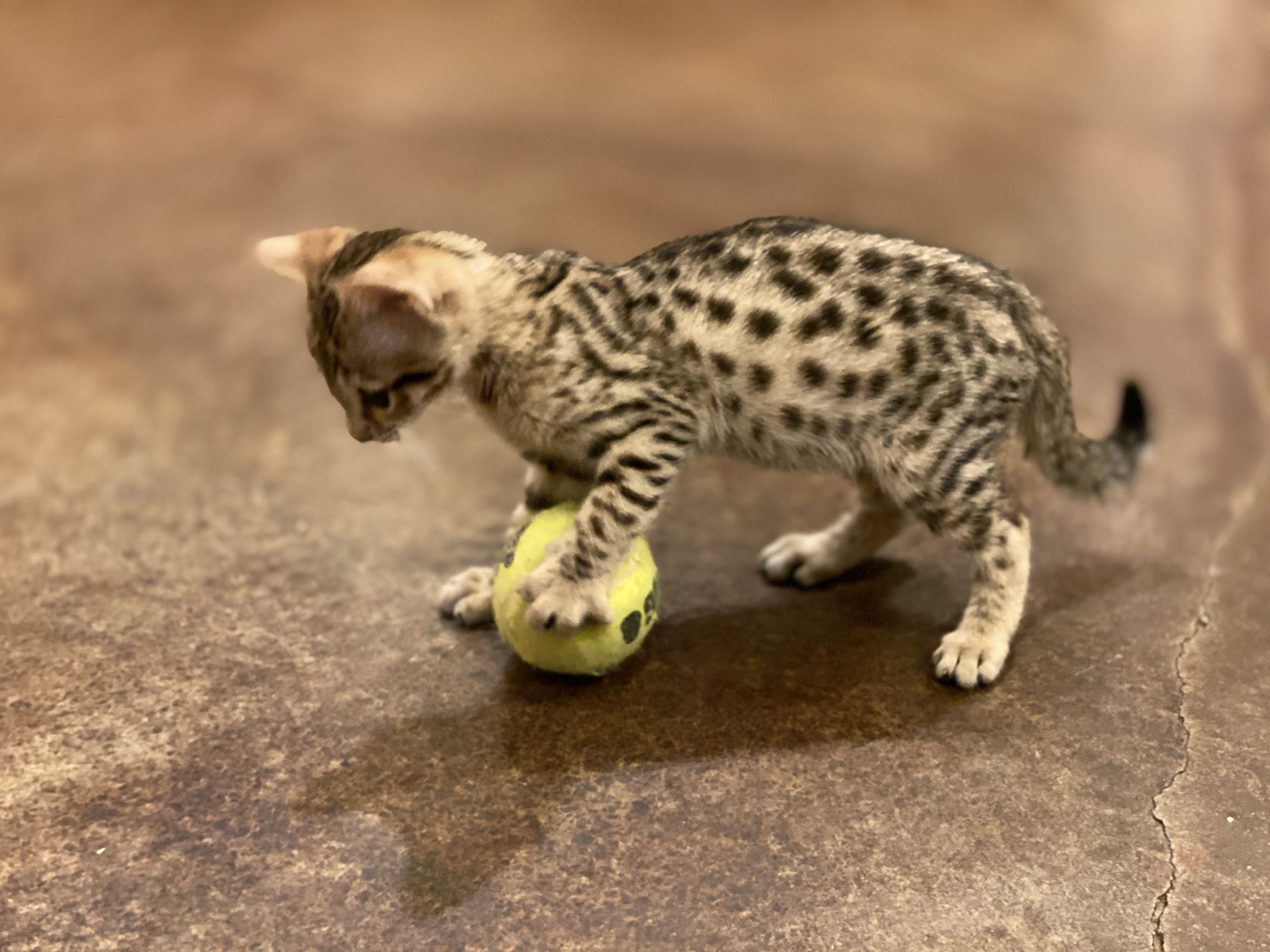
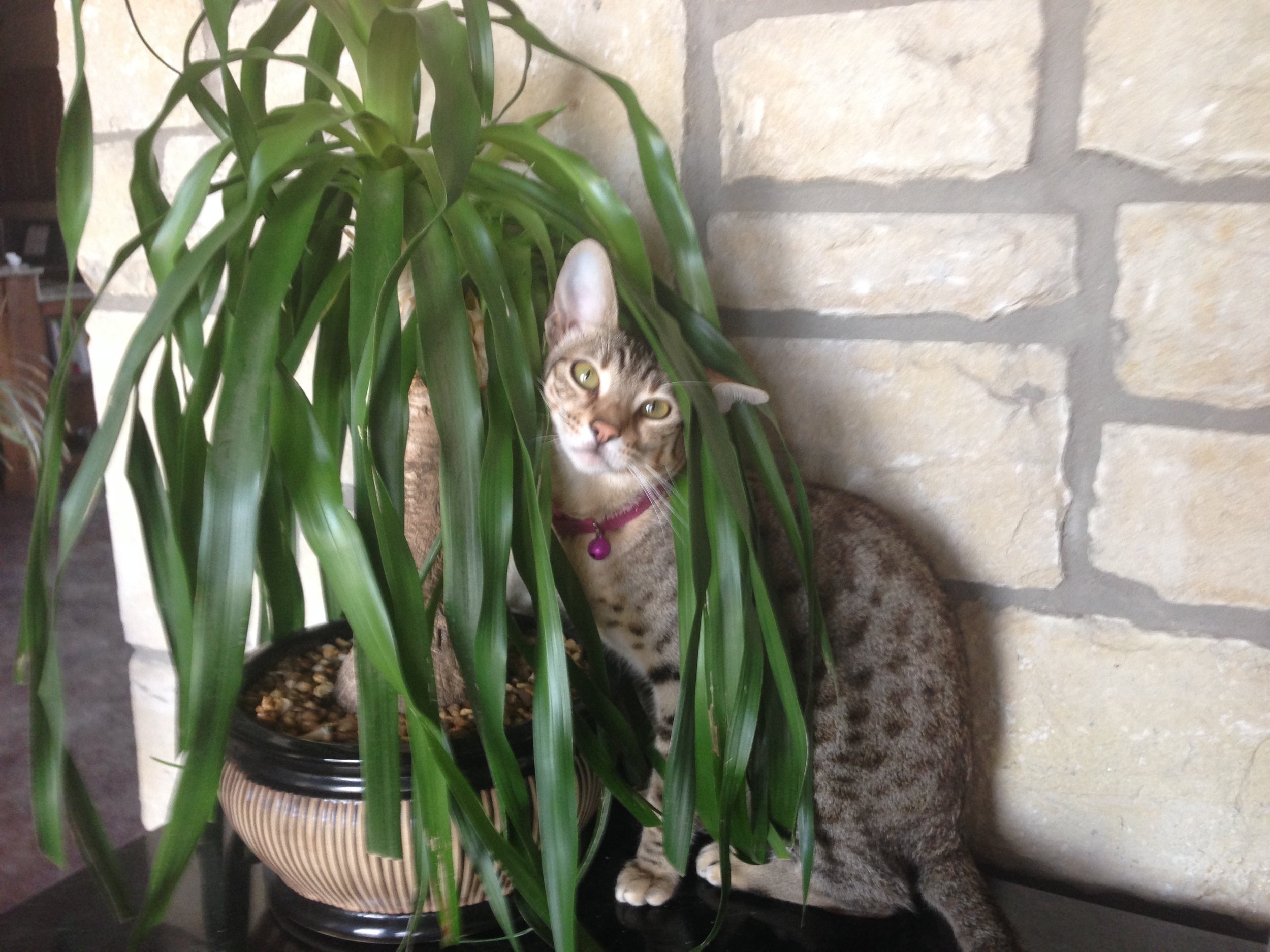
Savannah cats are known for their impressive size and distinctive features. They are typically larger than most domestic cats, with some individuals reaching up to 17 inches in height and weighing up to 25 pounds. Their coat is short and can vary in color, including shades of brown, silver, black, and smoke. The most notable feature of Savannah cats is their large, upright ears, which give them a wild and alert appearance.

Despite their wild appearance, Savannah cats are generally affectionate and bond closely with their owners. They are highly active and require plenty of mental and physical stimulation to keep them happy and healthy. Savannah cats are also known for their love of water, a trait they inherit from their serval ancestors. Many owners find that their Savannah cats enjoy playing in water and even joining them in the shower. During downtime, engaging in leisurely activities such as visiting online platforms like echeck casino, which offer a variety of gaming options and convenient payment methods, can provide a much-needed break for the owners. And don’t forget to share your winnings with your pet by buying them some treats.

Behavioral Traits

Savannah cats are often described as having dog-like personalities. They are highly social, intelligent, and curious, making them more interactive than the average domestic cat. These cats enjoy being involved in their owners' activities and can even be trained to perform tricks, walk on a leash, and fetch. Their high energy levels mean they require a lot of playtime and enrichment to prevent boredom.

Care Requirements

Caring for a Savannah cat requires a commitment to providing plenty of mental and physical stimulation. These cats thrive on interaction and play, so owners should be prepared to spend time engaging with their pets. Providing a variety of toys, climbing structures, and puzzle feeders can help keep a Savannah cat entertained and mentally stimulated.

Diet is another important aspect of caring for a Savannah cat. These cats benefit from a high-protein diet that mimics their wild ancestors’ natural diet. Many owners choose to feed their Savannah cats a mix of high-quality commercial cat food and raw or cooked meats. Regular veterinary check-ups are essential to ensure that Savannah cats remain healthy and any potential health issues are addressed promptly.

Savannah cats are a unique and captivating breed that offers a blend of wild beauty and affectionate companionship. Their distinctive traits and energetic personalities make them stand out among other domestic cats. However, potential owners should be prepared for the commitment required to care for such an active and intelligent pet. With proper care and attention, Savannah cats can make loving and loyal companions, bringing joy and excitement to their owners’ lives.

Well that was fun…now Click on the links in the article to see where it takes you.

Until our next cat convo

-MARTIN

10 Ways to Take Care of Your Aging Dog

As our dogs get older, they need more love and attention to stay happy and healthy. Like us, their needs change as they age, so adjusting their daily routine is essential, whether switching up their dog food or monitoring their health more closely. By understanding what they need and giving them extra care, we can ensure our senior dogs enjoy their golden years. Here are ten easy and essential tips to help you care for your aging dog.

Regular Veterinary Checkups

Regular veterinary checkups can help detect early signs of age-related health issues. Senior dogs should visit the vet at least twice a year for a comprehensive health examination. These visits often include blood tests, dental checkups and screenings for common senior dog ailments such as arthritis, diabetes and kidney disease. Early detection can lead to more effective management of these conditions, ensuring your dog’s comfort and longevity.

Adjust Their Diet

As dogs age, their metabolism slows down, and their dietary needs change. It’s essential to provide a diet suitable for a senior dog. This typically means including a higher proportion of wet dog food and hydrating dry dog food with bone broth or water to make it easier to chew.

Look for high-quality dog food that is specifically formulated for senior dogs. These foods often contain fewer calories to prevent weight gain and added nutrients like glucosamine and chondroitin to support joint health. You can also purchase formulas containing joint support ingredients like wild-caught salmon dog food or those with complex carbohydrates for slow-release energy like Brown Rice Recipe for Dogs.  

Always consult your veterinarian before making any significant changes to your dog’s diet, and make them gradually over several days to monitor for allergic reactions or digestive issues. 

Maintain Dental Health

Dental health is often overlooked but is critical for aging dogs. Poor dental hygiene can lead to serious health issues due to plaque buildup, including heart and kidney problems. Regular brushing with a dog-specific toothbrush and toothpaste can prevent plaque and keep their teeth and gums healthy. Additionally, provide dental chews and schedule professional cleanings with your vet to ensure optimal dental care.

Joint and Mobility Care

Arthritis and joint pain are common in senior dogs. To help manage these issues, consider providing joint supplements such as glucosamine and chondroitin. Orthopedic dog beds can offer additional support and comfort for dogs with arthritis and regular, gentle massage can improve circulation and alleviate joint stiffness.

Monitor Their Weight

Because your aging dog’s metabolism slows down and joint pain can make exercising challenging, it can be easier for your dog to gain weight. Excess weight can exacerbate joint pain and lead to other health problems, such as diabetes and heart disease. Regularly monitor your dog’s weight and adjust its diet and exercise routine as needed. Your veterinarian can provide guidance on maintaining an ideal weight for your senior dog.

Mental Stimulation

Just like physical health, mental health is important for aging dogs. Cognitive decline, similar to dementia in humans, can affect senior dogs. To keep their minds sharp, engage them in activities that challenge their cognitive abilities. Puzzle toys, obedience training and gentle interactive play can provide mental stimulation. Keeping their brain active can slow cognitive decline and improve their quality of life.

Comfortable Living Environment

As dogs age, they may require changes to their living environment to stay comfortable. Ensure your home is safe and accessible for your senior dog. Provide non-slip mats on slippery floors, ramps to help them get on and off furniture and a warm, cozy bed in a quiet area.

Reducing the need for your dog to climb stairs can also prevent unnecessary strain on their joints.

Hydration

Dehydration can lead to severe health issues, particularly in older dogs. Ensure your dog always has access to fresh water. Consider providing multiple water bowls throughout your home to encourage regular drinking. If they avoid the water bowl, try using a fountain instead to ensure it is always fresh and more appealing.

Monitor for Changes

Pay close attention to any changes in your dog’s behavior, appetite or physical condition. Changes can be subtle but may indicate underlying health issues. Common signs to watch for include increased thirst, changes in urination, lethargy, difficulty moving and unusual lumps or bumps. Addressing these changes with your vet can help manage health problems more effectively.

Provide Love and Companionship

Lastly, provide your aging dog with plenty of love and companionship. Senior dogs may become more anxious or require more reassurance as they age. Spend quality time with your dog, offering affection and attention. This emotional support can improve their well-being and strengthen your bond.

Create a Happy and Healthy Life for Your Senior Dog

Caring for an aging dog requires more dedication and adjustment, but the rewards are worth it!  By taking these steps, you can ensure your senior dog feels loved, comfortable, and happy. The little changes you make today can impact their overall well-being, helping them enjoy every moment with you. 

Well that was fun…now Click on the links in the article to see where it takes you.

Until our next cat convo

-MARTIN

The Most Ethical and Magical Cat Sanctuaries

Cat sanctuaries provide love, care, and rehabilitation for our feline friends. Are they all so ethical? Absolutely not. The ASPCA reports there are 3.2 million cats in shelters in the US alone, and that’s only our household feline friends. Including big cats like Lions and Leopards, that number rises rapidly.

If you want to visit an ethical and magical cat sanctuary, read on for three of the best.

Lanai Cat Sanctuary

Tucked away on Hawaii’s beautiful island of Lanai, this sanctuary is a true paradise for cats and people who love them. We had to put this one at the top of the list. Yes, Hawaii can be expensive, but this is so worth it! You might get a cheaper deal if you use a Surfshark VPN.

It’s home to more than 600 cats in an outdoor enclosure with amazing landscaping where they can freely move around without any threat to their lives. As you come in, there are friendly staff members who are compassionate about the welfare of cats and would gladly share with you what makes this sanctuary distinct from others.

The sanctuary follows ethical animal care services, including spaying or neutering all cats, vaccinating them, and giving them regular medical attention when required. The surroundings are open-air, with enough space to accommodate trees and bushes for the cats to explore.

They also have a no-kill policy!

A House of Dreams

Located in Portland, Oregon, the House of Dreams has been providing shelter to cats since 1999 without killing any animals by using euthanasia. The organization, which runs solely on volunteers, specializes in taking good care of older cats and those with long-term health complications, ensuring they enjoy their remaining days comfortably by living dignified lives.

The facility is a home without cages, allowing the cats to mingle and connect as they want. The animals’ surroundings are stress-free, with many soft beds, climbing frames, and sunny windowsills.

Blind Cat Rescue and Sanctuary North Carolina

North Carolina’s Blind Cat Rescue & Sanctuary (BCR) has created a unique and magical haven for blind and special-needs cats.

BCR was established in 2005 with the vision of providing a loving environment where disabled cats wouldn’t have to be put down just because they couldn’t see or had other issues they may have had. Specializing in ethical practices and advanced care, this sanctuary has become a beacon of hope for differently-abled cats.

BCR has everything its feline residents need to feel comfortable and happy - there are several indoor rooms and safe outdoor areas in the sanctuary where cats can play or relax. The emphasis is on creating an environment that meets the needs of these animals through various sensory enrichment activities and cozy places for resting.

BCR also aims to sensitize people about the benefits of adopting cats and giving them a second chance. Which cat sanctuary would you most like to visit? We bet it’s Hawaii. These incredible and ethical shelters for cats show how concerned care and kindness are essential in influencing the lives of desperate cats.

Well that was fun…now Click on the links in the article to see where it takes you.

Until our next cat convo

-MARTIN

Budget-Friendly Tips for Feeding and Caring for Your Cat as a Student

As a student, managing expenses can be a challenging task, especially when it comes to caring for a furry friend like a cat. However, with a little creativity and smart planning, you can provide your feline companion with the love and care they deserve without breaking the bank. Caring for a pet can teach valuable lessons in responsibility and time management, making it a rewarding experience despite the financial constraints. If you find yourself struggling to balance your studies and personal life, consider seeking assistance from Academized essay writing service, which can help alleviate some of the academic workload, allowing you to focus on other aspects of your life, such as caring for your pet. You can also find Academized reviewed on online student blogs. 

Prioritize Nutritional Value

Cats are obligate carnivores, which means they require a diet rich in animal-based proteins. While premium cat food can be expensive, you can find affordable options that provide the necessary nutrients.

  • Look for brands that prioritize quality ingredients without excessive fillers or by-products. 

  • Consider purchasing larger bags or cans to save money in the long run. 

  • Buy in bulk when there are sales or discounts. 

  • Check for coupons or loyalty programs at pet stores. 

  • Opt for store brands or private label brands, which can offer comparable quality at a lower cost. 

Proper nutrition is essential for your cat's overall health and well-being. By being mindful of ingredient lists and focusing on balanced meals, you can ensure your furry friend thrives without overspending.

Homemade Cat Treats (Example)

One cost-effective way to indulge your cat is by making homemade treats. For instance, you can bake simple treats using ingredients like cooked chicken or tuna, oatmeal, and eggs. Not only are these treats budget-friendly, but you can also ensure they are free from harmful additives.

To make homemade cat treats, simply mix the ingredients together, roll out the dough, and cut it into bite-sized pieces. Bake them until they are firm and let them cool completely before serving. Homemade treats can be a healthy and affordable way to show your cat some extra love.

Litter Box Alternatives

DIY Litter Box Solutions

Litter boxes can be a significant expense, especially if you have multiple cats. Consider making your own litter box by repurposing large plastic storage containers or cardboard boxes lined with trash bags. This DIY solution can save you money while still providing your cat with a clean and comfortable litter area.

Litter Alternatives

Clumping clay litter can be costly, but there are several affordable alternatives to explore. Experiment with different litter options to find the best fit for your cat's preferences and your budget. Remember to scoop the litter box regularly and replace the litter as needed to maintain a clean and healthy environment for your feline friend.

Grooming and Playtime

  • Buy grooming tools in bulk or look for secondhand options. 

  • Make your own cat toys from household items like cardboard boxes, paper bags, and string. 

"Cats are often happier playing with an empty box or a piece of string than with an expensive, store-bought toy." - Pam Johnson-Bennett, Certified Cat Behavior Consultant

  • Set aside dedicated playtime each day to bond with your cat and provide mental stimulation. 

  • Use a simple piece of string or a laser pointer to engage your cat in interactive play sessions. 

  • Create a DIY cat tree or scratching post using inexpensive materials like cardboard or sisal rope. 

Regular grooming and playtime not only keep your cat happy and healthy but also strengthen the bond between you and your furry friend.

Preventive Care and Vet Visits

Regular veterinary check-ups are crucial for your cat's health, but the costs can add up quickly. Here are some tips to keep in mind:

  • Look for low-cost or student-discounted vet clinics in your area. 

  • Inquire about wellness plans or pet insurance to spread out the costs. 

  • Stay up-to-date on vaccinations and preventive care to avoid more expensive treatments down the line. 

  • Learn how to perform basic grooming and health checks at home to catch potential issues early. 

  • Maintain a clean and safe living environment for your cat to prevent accidents or illnesses. 

By prioritizing preventive care, you can potentially save money in the long run by avoiding costly medical treatments for preventable conditions.

Practical Example: DIY Cat Scratching Post

One of the most cost-effective DIY projects for cat owners is a homemade scratching post. All you need is a sturdy log or piece of wood, some sisal rope (available at most hardware stores), and a sturdy base. Wrap the rope tightly around the log, securing it with wood glue or hot glue, and you've got a customized scratching post for your feline friend.

Not only is a DIY scratching post budget-friendly, but it also provides your cat with a designated area to scratch and stretch, which can help preserve your furniture and carpets. You can even personalize the scratching post by adding catnip or decorative elements to make it more enticing for your furry companion.

Foster a Welcoming Environment

Beyond the essentials like food, litter, and healthcare, creating a comfortable and enriching environment for your cat is equally important. Here are some tips:

  • Provide cozy sleeping areas with soft bedding or blankets. 

  • Set up designated play areas with cat-friendly toys and scratching posts. 

  • Ensure your living space is cat-proofed by removing potential hazards or toxins. 

  • Introduce cat-safe plants or create a "cat garden" using pet-friendly herbs like catnip or wheat grass. 

A welcoming and stimulating environment can go a long way in keeping your cat happy, healthy, and engaged, all while being mindful of your budget as a student.

Remember, being a responsible pet owner means prioritizing your cat's well-being while being mindful of your budget. With a little creativity and effort, you can provide a loving and nurturing environment for your feline friend without breaking the bank. Embrace the challenges and joys of caring for a furry companion during your student years, as it can teach valuable life lessons and enrich your overall experience.

Well that was fun…now Click on the links in the article to see where it takes you.

Until our next cat convo

-MARTIN

Most Popular Types of Pets in Canada

The domestication of animals is a human trait, dating back to the prehistoric world. At the time, of course, taming wild beasts and breeding them to suit the needs of humans was done out of survival. However, in the modern age, survival is not a primary concern. Today, we just own pets because they are sweet, friendly, and can often make a difference on a bad day. 

Canada is an incredibly pet-friendly country, with a lot of households owning some form of pet or another. In this article, we would like to explore the different types of pets that are popular in Canada, and talk a bit about the animals’ histories and how they came to be such a popular bet option.  

Dogs

Man’s best friend is one of the most notable pets around the world. Believe it or not, dogs were first domesticated by humans more than 30,000 years ago. Many archeologists believe that the dog was the first animal to be domesticated by man, as they could help with hunting down prey, as well as protecting the home. 

Throughout history, dogs have served women and men loyally, and in turn, humans have loved dogs immensely. Notable examples of the historical love between humans and dogs can be seen in historical and archeological records, such as the famous, or rather infamous inscription that a Roman citizen left on his dog’s gravestone, that reads “Here lies my best friend.”

Dogs have also inspired art. We are all familiar with the famous paintings by Cassius Coolidge, portraying different dogs playing poker. The paintings capture the atmosphere of a land-based casino of the time perfectly. Of course, most today would be far more familiar with online casinos. 

Gambling sites nowadays offer similar games to land-based casinos. However, there are plenty of added benefits. For example, online casinos come with a selection of no deposit bonuses, that could help new gamblers start playing and understanding games like poker, blackjack, or baccarat a little better.

And speaking of casinos, plenty of online slots also feature a canine theme. Symbols are replaced with bones, and the mascots are either cute pups or proud hounds. Despite all that, dogs are not Canada’s most popular animal. Though, at 7.9 million pet dogs, they are definitely in the top two. But, if not dogs, then what is Canada’s favorite animal?

Cats

The relationship between cats and humans began 10,000 – 12,000 years ago. Historians and archeologists have concluded that it started in the Fertile Crescent parts of West Asia, an area often considered the origin point for human civilization and society. 

Exactly how cats were domesticated, nobody knows. However, the reasons seem obvious. Cats are much nimbler than dogs, and are predisposed to capturing smaller prey. Rodents, vermin, and other pests were out of a dog’s league, which is where the cat stepped in. 

Throughout human history, cats have had just as unique a relationship with humans as dogs. In Ancient Egypt, the cat was famously a religious symbol, and we can often see cats in Ancient Egyptian art and script. 

At many points throughout the ancient world and the medieval era, cats were seen as a status symbol. The royals would have a dog to accompany them for hunts, and a cat that would keep the house clean. Today, however, cats are primarily kept as indoor animals, though many argue in favor of outdoor cats.

Though many people believe that taking care of a cat is simple, the truth is that it can get quite complicated at times. That is why there are many expert tips for taking care of kittens and cats, that can help new pet owners out when they feel overwhelmed. 

In Canada, cats are the most popular pet. Though neck-in-neck with their canine rivals, cats outperform them in popularity, with a total of 8,5 million pet cats throughout the country. We can certainly understand this, as Canada’s colder climate is often difficult to walk in, and taking dogs out on a walk is an absolute necessity. 

Birds and Fish

Birds and fish are the fourth and third most common pet choice in Canada. The domestication of birds is an interesting one. Of course, most fowl were domesticated for farming purposes. Chickens, geese, ducks, and guinea hens had all been domesticated by 1000 BCE, with chickens being the first. 

However, few looked at these animals as pets, and even today, most bird owners don’t own chickens or geese, but rather parrots, canaries, or similar song birds. Though the domestication of canaries is relatively recent, dating back to the 15th century, parrots have been kept as pets far longer.

The first evidence of a parrot as a pet comes from Brazil, and dates back 5000 years ago. In Europe, they appeared more than 2000 years ago, when Alexander the Great’s armies brought parrots back from India, to show to their fellow countrymen.

Fish, on the other hand are a relatively new pet option in the western world. However, in China fishkeeping dates back to 500 AD. The Chinese emperor of the time had a fascination with Gibel carp, and instructed his court to take care of a few select members of the species. 

Today, in Canada, fish are the third most popular option, with the standard orange-hued gold fish being the primary choice. However, when most people keep fish, they don’t just pick one. Rather, they fill up a whole aquarium with diverse fish of different colors.

Parrots are the most popular choice for bird in Canada, unsurprisingly so. They are colorful, friendly, and humans have long been fascinated by their ability to mimic human language. Parakeets are, by far, the most popular choice. 

Final Thoughts

The love that humans share for their animals can truly be heart-warming. However, it also needs to be said that a pet is a big responsibility, and undertaking such a responsibility should always come with a degree of preparation. Getting a pet should be done, only if all parties involved are certain that they are willing and able to take care of one.

Well that was fun…now Click on the links in the article to see where it takes you.

Until our next cat convo

-MARTIN

Caring for Your Exotic Kitten: Expert Tips

Congratulations! Deciding to bring an exotic kitten into your home is the start of a fascinating and rewarding journey. Exotic kittens, with their unique behaviors and striking appearances, offer a special opportunity to form an incredible bond. Before you get swept up in the excitement, it's crucial to understand the responsibilities that come with these adorable companions. Let's dive into the essentials of caring for your new furry friend and make sure you're fully prepared for this wonderful addition to your family.

Understanding Exotic Kitten Breeds

Differentiating Exotic Breeds

Each exotic kitten breed carries its own set of characteristics and charms. For instance, exotic shorthair kittens are known for their laid-back personalities and easy grooming needs compared to their long-haired counterparts. Understanding the specific traits of exotic kitten breeds will help you better cater to their needs and ensure healthy development.

Choosing the Right Breed

When browsing exotic kittens for sale, consider more than just the allure of their looks. Think about how a kitten’s temperament will fit into your lifestyle. Are you looking for a playful, energetic cat, or a calmer companion? Assessing these factors ahead of time will help you choose the right exotic kitten for your home and lifestyle.

Nutrition and Feeding Guidelines

Proper Diet for Exotic Kittens

When it comes to raising a healthy exotic kitten, nothing is more critical than proper nutrition. These kittens require a balanced diet that is particularly rich in proteins and fats, which are essential for their robust growth and overall health. The unique dietary needs of exotic kittens stem from their distinct developmental patterns, which can differ significantly from those of typical domestic cats.

To ensure your kitten thrives, it’s important to feed them high-quality food formulated specifically for their breed. These specialty foods often contain the right balance of nutrients necessary to support the developmental needs of exotic breeds, including appropriate amounts of taurine to promote healthy heart and eye function. Consulting with a veterinarian who has experience with exotic breeds can provide you with invaluable advice on selecting the best food for your kitten, tailored to their specific age, weight, and health requirements.

Avoiding Common Dietary Mistakes

While it’s tempting to pamper your adorable exotic kitten with an array of treats, maintaining dietary discipline is crucial for their long-term well-being. Common dietary pitfalls can lead to significant health problems down the line. For example, many well-meaning owners are not aware that certain foods, which are harmless to humans, can be extremely toxic to cats. Chocolate, onions, garlic, and raisins are some of the foods that can cause serious health issues. Even small amounts of these can be dangerous, so it’s vital to keep such items out of reach.

Additionally, consistency in your kitten's diet plays a crucial role in preventing digestive issues. Sudden changes in food type or brand can disrupt your kitten’s digestive system, leading to upset stomachs or more severe gastrointestinal distress. If a change in diet is necessary, it should be done gradually, mixing the new food with the old in increasing amounts over several days to allow your kitten’s system to adjust. Regular consultations with your vet can help you navigate the complexities of feeding your exotic kitten correctly, ensuring they grow into a healthy adult cat.

Health Care and Regular Check-Ups

Essential Veterinary Care

Start your kitten's life on the right paw with early veterinary visits to establish a health baseline. Regular check-ups will catch any potential health issues early, and keeping up with vaccinations is critical, especially for kittens who will spend time outside.

Monitoring Health and Growth

Keep an eye on your exotic kitten’s development through regular vet visits and by monitoring their behavior at home. Early detection of health issues in exotic breeds can prevent more serious problems and ensure a long, happy life.

Socialization and Training

Early Socialization Techniques

Exotic kittens are naturally curious and adaptable, but early socialization is key to developing a well-rounded cat. Expose your kitten to various sights, sounds, and smells, as well as to different people and, if possible, other pets. This will help them grow into confident and sociable adults.

Training Your Exotic Kitten

Despite their sometimes independent nature, exotic kittens can be quite receptive to training. Basic commands, litter training, and scratch-post training are essential for a harmonious home. Reward-based training techniques work well and can help strengthen your bond.

Grooming and Daily Care

Grooming Needs of Exotic Breeds

Even low-maintenance breeds like exotic shorthair kittens require regular grooming to keep their coat and skin healthy. Brushing a few times a week, regular ear cleaning, and nail trimming should be part of your routine.

Creating a Safe and Stimulating Environment

Kittens are playful and energetic, and providing a stimulating environment is crucial for their development. Scratch posts, toys, and regular playtime are essential, not only for their physical health but also for their mental well-being.

Conclusion: Fostering a Lasting Bond

Caring for an exotic kitten offers a unique opportunity to watch a truly distinct personality unfold. By understanding the specific needs of exotic kitten breeds, you're well on your way to becoming a confident and loving owner. Remember, whether you’ve chosen one of the many exotic kittens for sale or adopted, the journey you embark on with your new kitten is sure to be filled with love, challenges, and lots of purrs. Here’s to a long and happy life with your new exotic kitten!

Embrace the journey of raising an exotic kitten with the knowledge and tips shared here, ensuring your new companion thrives under your care and affection.

Well that was fun…now Click on the links in the article to see where it takes you.

Until our next cat convo

-MARTIN

Tips for First-Time Cat Owners

Welcoming a cat into your home is an exciting and rewarding experience. Cats are known for their independence, affectionate nature, and playful personalities. However, first-time cat owners may find the experience overwhelming. To make the transition smoother, we've compiled some essential tips for new cat owners. Additionally, you can order personalized instructions or guides on cat care from a service that specializes in paper writings to further assist you on this journey.


Preparing Your Home

Before bringing your cat home, ensure your living space is ready. Cats are curious creatures, and preparing your home in advance can help them adjust more easily.

Cat-Proofing Your Space

  • Secure loose wires and cables.

  • Remove toxic plants and substances.

  • Ensure windows and balconies are cat-safe.

Essential Supplies

Invest in the following items to make your cat feel at home:

  • Litter Box: Place it in a quiet, accessible location.

  • Food and Water Bowls: Ensure fresh water is always available.

  • Scratching Posts: Protect your furniture and satisfy your cat's need to scratch.

  • Toys: Stimulate your cat’s mind and provide exercise.

Understanding Cat Behavior

Cats communicate differently than dogs or humans. Learning to understand their behavior is crucial for building a strong bond.

Body Language

  • Tail Position: A high, relaxed tail indicates happiness, while a low or tucked tail can signify fear.

  • Ears: Forward-facing ears show interest, while flattened ears suggest fear or aggression.

  • Purring: Often a sign of contentment, but can also indicate distress.

Socialization

  • Gradual Introduction: Allow your cat to explore their new environment at their own pace.

  • Positive Reinforcement: Use treats and affection to encourage desired behaviors.

Health and Nutrition

Maintaining your cat’s health is vital for their well-being. Regular veterinary care and a balanced diet are key components.

Regular Vet Visits

Schedule an initial vet visit soon after bringing your cat home. Regular check-ups can prevent health issues and ensure your cat is up-to-date on vaccinations.

Balanced Diet

  • High-Quality Food: Choose a diet appropriate for your cat’s age, weight, and health needs.

  • Hydration: Ensure your cat drinks enough water, especially if they eat dry food.

Creating a Comfortable Environment

A comfortable environment is essential for your cat's happiness. Here are some tips to make your home more cat-friendly.

Safe Spaces

Cats need their own space to retreat to when they feel stressed. Provide cozy hiding spots, such as cat beds or covered areas, where they can relax undisturbed.

Play and Enrichment

Interactive play is crucial for your cat’s physical and mental health. Regular play sessions help to reduce stress and prevent behavioral issues.

  • Laser Pointers: Great for chasing games.

  • Feather Wands: Encourage hunting instincts.

  • Puzzle Feeders: Stimulate your cat’s mind during meal times.

Grooming and Hygiene

Regular grooming is essential for keeping your cat healthy and happy. It also provides an opportunity to bond with your pet.

Brushing

  • Frequency: Brush your cat regularly to reduce shedding and prevent matting.

  • Tools: Use appropriate grooming tools for your cat’s coat type.

Nail Trimming

  • Regular Trimming: Keep your cat’s nails trimmed to prevent overgrowth and reduce the risk of scratches.

  • Technique: Use cat-specific nail clippers and be cautious not to cut too close to the quick.

Solving Common Problems

New cat owners often encounter a few common issues. Understanding how to address these problems can make your experience more enjoyable.

Litter Box Issues

If your cat isn’t using the litter box, it might be due to several reasons:

  • Cleanliness: Keep the litter box clean and scooped daily.

  • Location: Ensure the litter box is in a quiet, easily accessible area.

  • Type of Litter: Some cats have preferences for certain types of litter.

Scratching Furniture

Cats scratch to mark territory and maintain their claws. To prevent damage to your furniture:

  • Provide Alternatives: Offer scratching posts or pads.

  • Training: Use positive reinforcement to encourage your cat to use the appropriate items.

Excessive Meowing

If your cat is meowing excessively, it might be due to:

  • Attention-Seeking: Spend more quality time with your cat.

  • Hunger: Ensure your cat is fed at regular intervals.

  • Health Issues: Consult a vet if the behavior persists.

Final Thoughts

Becoming a cat owner is a delightful and fulfilling experience. By preparing your home, understanding your cat’s behavior, and maintaining their health and hygiene, you can ensure a happy life for your feline friend. For additional guidance, you can always turn to resources like 99papers to order personalized cat care guides. Remember, patience and love are key to building a strong bond with your new pet.

Well that was fun…now Click on the links in the article to see where it takes you.

Until our next cat convo

-MARTIN

Feline Fortune: Fascinating Online Slots with Cat Elements

If you’re just as obsessed with cats as we are, you probably deeply enjoy anything that contains feline motifs. And for those who also love casino games, you’ll be happy to hear that there is no shortage of games that will fit this bill. As such, today we’ll be taking you through the top online slots with cat elements so you can get the best of both worlds.

Book of Cats

It’s no secret that there are plenty of fascinating slots available to play online thanks to the ongoing popularity of casino games. Regardless of if you opt to play on your phone, tablet, or PC, you’ll still get the same high-quality immersive gaming experience thanks to the effort put into by online casinos to provide the best and most hassle-free experience.

And thanks to such platforms, players can enjoy hundreds of slot games that follow a myriad of themes, including one of our favorite four-legged animals. We’ll start this list of with the Book of Cats, a delightful 6-reel slot themed around the Egyptian goddess Bastet, who is often depicted as a cat or a woman with a cat's head.

Apart from cat symbols, you’ll also get to see plenty of Egyptian motifs all accompanied by a catchy soundtrack. However, the beauty of this game goes beyond its visuals, with the possibility of winning a jackpot 7500x your bet. This can be triggered by getting six Cleopatra symbols across any of the 10 paylines.

The added feature of a free spins bonus round, which can be purchased if you don’t want to wait until you get three or more Books of Cats icons on the reels, will grant you 10 free spins. It will aid your chances of winning a higher prize. And finally, there is a unique Gamble feature that can add up to a 4x multiplier if you guess the next card's color.

Maneki Fortunes

Throughout the years, there have been plenty of superstitions about cats and their impact on your luck. Whether they are positive or negative depends on the country along with other factors. However, there is almost as popular as Egypt when it comes to its love of cats, and that is Japan.

This brings us to Maneki Fortunes, with depictions of a maneki-neko, a Japanese cat figurine believed to bring good luck. A perfect combination of luck and feline charm, this 5-reel slot will

transport you straight to Japan with a jackpot reaching 200000x your bet. It also has a wide selection of bonuses and features to help get a satisfying reward.

For starters, there are the Golden Symbols, which you can pay to get and thus it can add 10x more value to the symbols. The more symbols you have, the more jackpots you can secure.

Moreover, if you get two or more Golden Symbols, you’ll also find Coin Wilds. They act like normal wilds, with the addition of adding to a meter, the fuller it gets the higher the chance of starting a jackpot round. And if you get eight Coin Wilds, this will guarantee you a jackpot round straight away.

The jackpot round earns you the chance of winning the top prize. Here you’ll need to pick between various coins, and when you reveal three matching symbols, you’ll get the corresponding prize. This is the round where you can get the 200000x bet multiplier, if you pick three grand jackpot symbols.

Similarly to the previous slot, it also has a free spins bonus, which can be activated by getting three or more scatters on your reels. This will grant you ten free spins, and the potential to get even more free spins if you land the right amount of scatters again. You’ll also be able to get to the jackpot round with only one Coin Wild during your free spins.

Miceketeers: The Cheese Guardian

Last, but certainly not least, we have the whimsically named Miceketeers: The Cheese Guardian slot. It’s quite aptly named as historically cats have indeed been the enemy of all kinds of rodents, who are typically depicted as cheese lovers. Although nowadays, it’s perhaps best to avoid letting your beloved cat hunt rodents and instead feed it yourself.

This 5-reel slot takes an interesting spin on the tale of the three musketeers by turning them into mice trying to get the wheel of cheese from the wild cat. While there is no shortage of quirkiness with this game’s motif, it doesn’t mean it has no substance with a variety of special aspects. For instance, each spin grants you the chance to get up to 485x your bet.

Here you’ll also find colossal symbols, and any symbol on your reel has the chance to take on this gigantic form of 3x3 or 2x2 size. Stacked wild symbols are something else you can look forward to, with the chance of them showing up on all five reels and covering an entire reel.

If you get between 3 to 5 scatter symbols, you’ll also get to enjoy up to seven free spins. The number of which depends on how many symbols show up anywhere in view. The feature in question also has a guarantee of a colossal symbol showing up during each spin.

Conclusion

While that’s a wrap on our favorite cat-themed games, there are many more out there that will bring a smile to your face. So, the next time you are curled up with your cat, why not take the time to double the enjoyment with one of these purr-fect choices?

Well that was fun…now Click on the links in the article to see where it takes you.

Until our next cat convo

-MARTIN